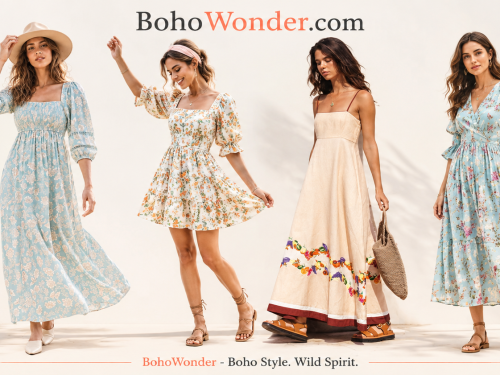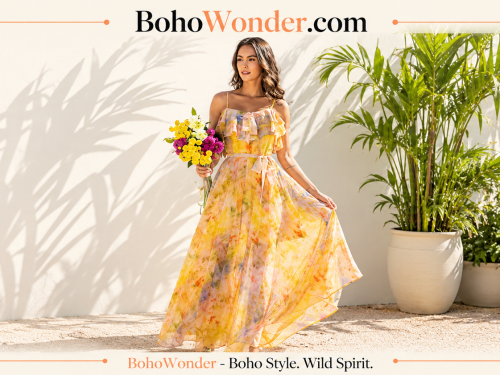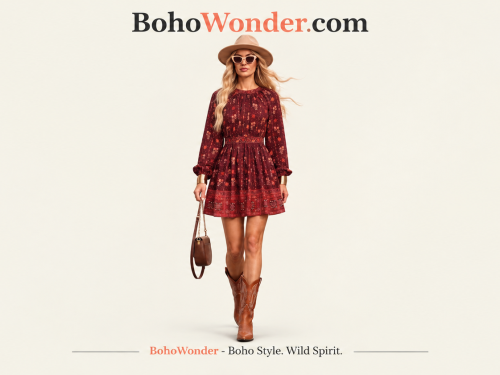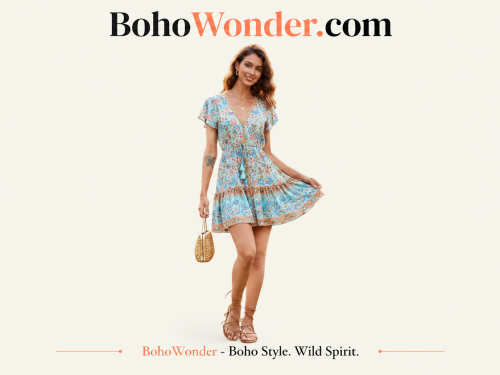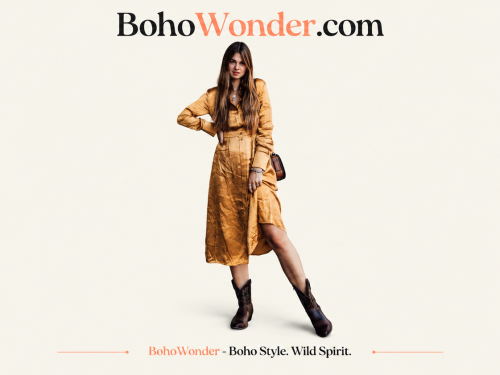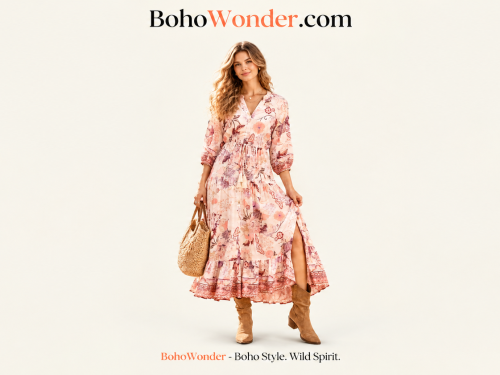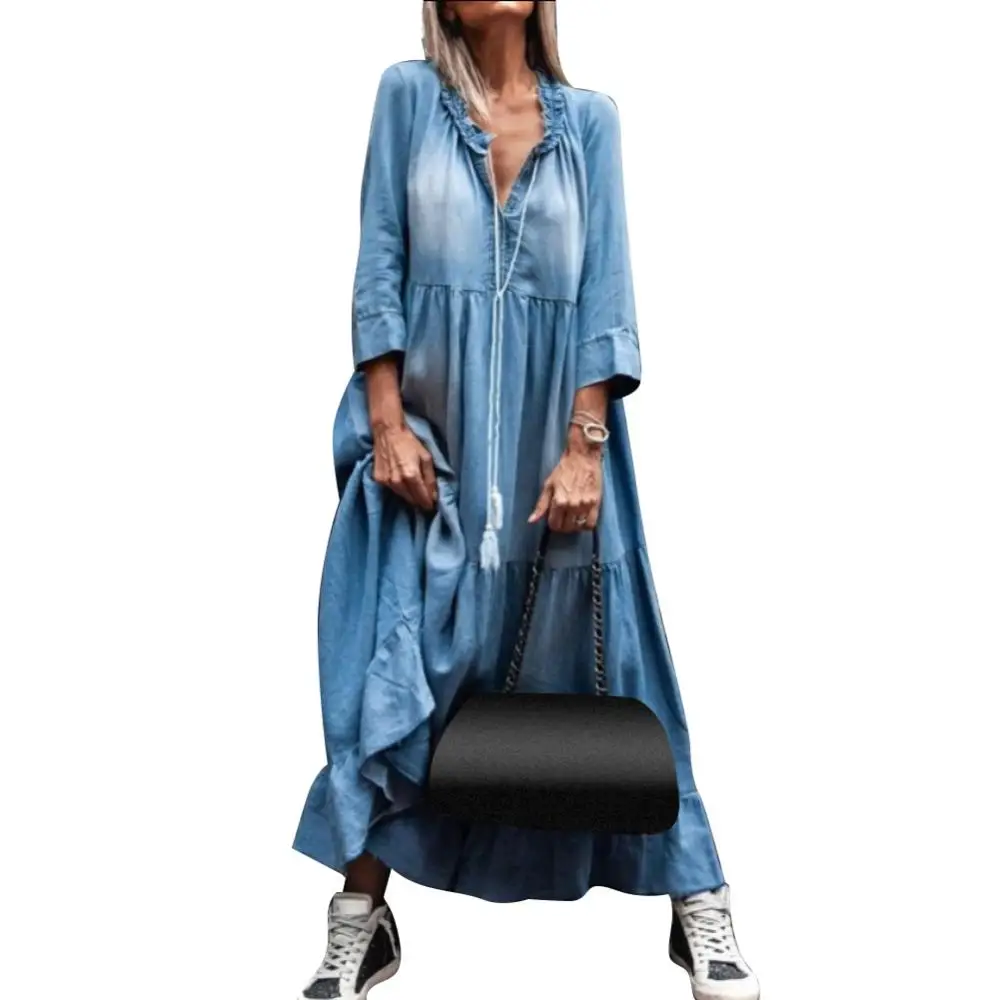
Choosing the right boho dress silhouette is about finding a shape that feels comfortable, reflects your personal style, and works naturally with your proportions. From romantic wrap dresses and flowing A-line midis to relaxed maxi dresses and playful trapeze cuts, each silhouette creates a different look and offers its own styling possibilities.
Bohemian fashion celebrates movement, individuality, and expressive details. However, choosing a dress is not simply about finding a beautiful print or an attractive hemline. The neckline, waist placement, skirt volume, fabric drape, and overall length all influence how a dress looks and feels when worn.
Whether you prefer feminine, waist-defined styles or relaxed silhouettes with plenty of movement, understanding these elements can make shopping for a boho dress much easier. This guide explores the main boho dress silhouettes, explains how to choose between them, and shares practical styling tips for creating outfits that feel effortless and personal.
Quick Answer
To choose a boho dress silhouette, consider your preferred fit, natural proportions, desired level of structure, and the occasions for which you plan to wear it.
- Fit-and-flare and wrap dresses: Ideal if you enjoy a defined waist and a skirt that flows away from the body.
- A-line and tiered midi dresses: Versatile options for creating movement and balanced proportions.
- Empire-line and trapeze dresses: Suitable if you prefer a higher waistline or a relaxed shape with additional volume.
- Relaxed and softly draped dresses: Great choices for everyday comfort, easy layering, and an effortless bohemian aesthetic.
The best silhouette is the one that allows you to move comfortably and feel like yourself. Body-shape categories can provide useful starting points, but they should never limit your choices.
Understand the Main Boho Dress Silhouettes
Before choosing a particular dress, it helps to understand how different silhouettes shape an outfit. Bohemian dresses often combine flowing skirts, soft fabrics, romantic details, and relaxed construction, but the overall effect depends on how these elements work together.
Fit-and-Flare Dresses: Feminine and Balanced
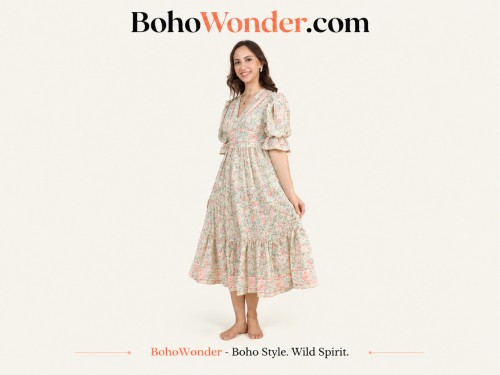
A fit-and-flare dress has a more defined upper section and waist, followed by a skirt that gradually widens. This creates a clear distinction between the bodice and the lower half of the dress without sacrificing movement.
In bohemian styling, this silhouette often appears in floral midi dresses, embroidered cotton dresses, and romantic designs with short puff sleeves or delicate lace details.
A fit-and-flare shape can be a good choice if you enjoy a more structured waistline while still wanting the softness associated with boho fashion. It also works well when you want the dress itself to create the outfit’s shape without relying on multiple layers or accessories.
How to style it: Pair a floral fit-and-flare midi with simple sandals and a woven bag for brunch. For cooler weather, add a cropped cardigan or a lightweight jacket that complements the dress’s waistline.
Look for this silhouette when you want a balance between feminine structure and a flowing skirt.
Wrap Dresses: Adjustable and Versatile
Wrap dresses feature overlapping front panels that typically secure around the waist. Depending on the design, the wrap construction allows some adjustment to the fit and creates a neckline that draws attention toward the upper body.
A boho wrap dress may feature a V-neckline, flutter sleeves, a floral print, or a softly gathered skirt. These details make it easy to create an outfit that feels romantic without appearing overly formal.
Wrap silhouettes can work across a variety of proportions because the waist fastening allows some flexibility. However, the amount of adjustment depends on the construction, so it is still important to check the garment’s measurements and fastening details.
How to style it: Wear a printed wrap midi with flat leather-style sandals and understated jewellery for everyday outings. For an evening gathering, try ankle boots and a structured shoulder bag.
Choose a wrap dress if you enjoy waist definition and appreciate the flexibility of a fastening that can be adjusted.
A-Line Dresses: Easy Movement and Everyday Appeal
An A-line dress gradually widens from the shoulders or waist toward the hem, creating a shape that resembles the letter A.
This silhouette is particularly versatile because it can be relatively fitted through the upper body while allowing the skirt to move freely. Depending on the design, an A-line dress can feel minimalist, romantic, casual, or distinctly bohemian.
For a modern boho wardrobe, look for A-line dresses with embroidered details, subtle floral prints, button-front construction, or gently gathered skirts.
How to style it: A cotton A-line midi with simple sandals creates an easy daytime outfit. When temperatures drop, layer it with a neat cardigan and ankle boots to introduce structure without losing the relaxed feel.
An A-line dress is worth considering if you want a versatile shape that is easy to style for different settings.
Tiered Dresses: Expressive and Flowing
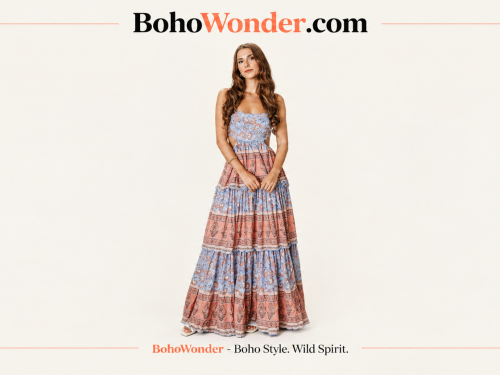
Tiered dresses feature horizontal sections of fabric that create volume and movement throughout the skirt. Depending on the number, size, and placement of the tiers, the overall effect can range from subtle to dramatic.
They are a natural fit for bohemian fashion, particularly when paired with floral prints, textured cotton, lace inserts, or softly gathered sleeves.
A tiered dress can create an expressive silhouette without requiring elaborate accessories. However, the amount of fabric matters. Multiple full tiers can make a dress feel more voluminous, while fewer or narrower tiers may create a more understated effect.
How to style it: Balance a voluminous tiered maxi with simple sandals, a compact shoulder bag, and minimal jewellery. If you prefer a more defined shape, add a slim belt when the dress’s construction and fabric allow it.
Choose a tiered dress if you love movement and want the skirt to become a central part of your outfit.
Empire-Line Dresses: A Higher Waistline
An empire-line dress features a waist seam or fitted section positioned above the natural waist, usually just below the bust. The fabric then falls into a longer skirt.
This construction changes the visual proportions of a dress by placing the main point of definition higher on the torso. It is often used in romantic bohemian designs with flowing skirts, puff sleeves, floral patterns, and delicate embroidery.
Empire-line dresses may appeal to petite shoppers who prefer a higher waist placement, although the effect depends on the individual’s proportions and the dress’s overall length. They can also be an option for anyone who prefers additional room around the waist.
How to style it: Pair an empire-line floral midi with understated sandals and a woven tote. Keep the accessories simple if the dress already features voluminous sleeves or intricate details.
When shopping, pay attention to where the raised waistline sits. A placement that feels comfortable and natural is more important than following a general body-shape rule.
Trapeze Dresses: Relaxed and Unstructured
A trapeze dress typically falls loosely from the upper body and gradually widens toward the hem. Unlike a traditional fit-and-flare design, it usually does not rely on a clearly defined waist.
This silhouette suits the relaxed side of bohemian fashion. Depending on the design, it may feature a short hemline, loose sleeves, embroidered panels, or a simple neckline.
Trapeze dresses are useful when you prefer a less structured shape or want to experiment with volume without adding belts or layers.
How to style it: Wear a simple trapeze mini with flat sandals and a woven crossbody bag. For a cooler day, add a short jacket that provides contrast to the dress’s loose shape.
If you enjoy uncomplicated outfits, a trapeze dress can become a useful alternative to more fitted styles.
Relaxed Maxi Dresses: Effortless and Expressive
Relaxed maxi dresses are characterised by their longer hemlines and relatively loose construction. They may feature flowing sleeves, gathered details, handkerchief hems, or softly draped fabric.
Their appeal lies in their versatility. A relaxed maxi can feel casual with flat sandals and a tote, romantic with delicate jewellery, or more structured when paired with a short jacket and ankle boots.
Not every maxi dress is oversized, and not every relaxed dress has the same amount of volume. Some skim the body gently, while others fall in generous folds from the shoulders or bust.
How to style it: Choose a floral or earthy-toned maxi as the foundation of your outfit. Add a woven bag and simple sandals for warm weather, or introduce a fitted cardigan and boots for a seasonal transition.
A relaxed maxi is a strong option if you want a flowing silhouette that can be styled in several different ways.
Match Your Preferred Silhouette to Your Proportions
Understanding your proportions can help you narrow down the many options available. However, body-shape categories are best treated as styling references rather than strict rules.
Two people with the same general body shape may prefer entirely different dresses because of their height, personal comfort, styling preferences, and the way a garment is constructed.
If You Prefer a Defined Waist
Fit-and-flare and wrap dresses are useful starting points if you like clothing that highlights the waist.
An adjustable wrap design allows you to experiment with the position and tightness of the fastening. A fit-and-flare dress creates definition through its construction rather than relying on a tie or belt.
For a modern boho look, choose a dress with a relatively simple bodice and a flowing skirt. Floral prints, embroidered details, and subtle lace trims can add personality without making the overall silhouette feel overly elaborate.
If you prefer a looser fit, you can also introduce waist definition through a belt, provided the dress sits comfortably when belted.
If You Prefer More Room Through the Waist
Empire-line, trapeze, A-line, and relaxed silhouettes offer different ways to create a comfortable fit without relying on a closely defined waist.
An empire-line dress places the main point of definition higher on the body, while a trapeze dress generally creates a more uniform, flowing shape. An A-line dress may offer a combination of structure and room, depending on its cut.
Consider how much volume you enjoy. A dress that falls loosely from the shoulders can create a different visual effect from one that is shaped through the bust before widening.
The best choice depends on whether you prefer a clearly defined upper section or a more relaxed silhouette throughout.
If You Prefer to Add Visual Volume
Fabric gathering, tiered skirts, ruffled hems, and puff sleeves can introduce dimension to a dress.
For example, a tiered midi creates movement through the skirt, while a dress with puff sleeves brings more visual detail to the shoulders and upper body.
You do not need to combine every detail in one garment. If you prefer a more balanced outfit, choose one main feature, such as a tiered skirt or statement sleeves, and keep the remaining details relatively simple.
This approach also helps the dress remain versatile enough for everyday styling.
If You Prefer a More Streamlined Look
Look for dresses with fewer gathered sections, a simpler neckline, and a relatively uninterrupted line from the shoulders to the hem.
A softly draped maxi, a minimal A-line midi, or a wrap dress in a restrained print can all create a more streamlined interpretation of bohemian style.
Natural-looking textures, subtle embroidery, and muted colours can preserve the expressive character of the outfit without adding excessive visual detail.
For more inspiration, explore the broader Boho Dress Guide to see how different dress styles fit into a contemporary bohemian wardrobe.
Choose the Right Dress Length
Silhouette and length work together. Even when two dresses share a similar construction, a mini, midi, or maxi hemline can change the overall impression.
Mini Dresses: Light and Playful
Boho mini dresses usually finish above the knee and often feature relaxed cuts, embroidered details, floral patterns, or gently flared skirts.
They are useful for warm-weather outings, casual gatherings, and holiday wardrobes. Their shorter length can also make them easier to combine with boots or layered outerwear when the weather changes.
For a simple outfit, pair a boho mini with flat sandals and a woven tote. If you prefer a more structured look, try ankle boots and a cropped jacket.
Consider the hemline alongside sleeve volume and skirt fullness. A loose mini with voluminous sleeves may create a very different effect from a relatively straight-cut design.
Midi Dresses: Versatile and Easy to Style
Midi dresses generally fall between the knee and ankle, although the precise hemline varies by design and the wearer’s height.
They offer a useful middle ground between the playful character of a mini and the flowing appearance of a maxi. An A-line midi can feel understated, while a tiered or floral midi creates a more expressive bohemian look.
Midi dresses are also easy to style across different settings. Pair one with sandals for daytime outings, ankle boots for autumn, or a neat cardigan for a more layered outfit.
If you are building a versatile boho wardrobe, a midi dress in a colour or print you enjoy can be a practical starting point.
Maxi Dresses: Dramatic and Flowing
Maxi dresses create a longer visual line and often feature generous fabric movement. Depending on the design, the hem may sit at the ankle or extend closer to the floor.
For a classic bohemian appearance, look for flowing skirts, soft gathers, floral prints, or subtle embroidered details.
The key is choosing a length that works with your footwear and allows you to move comfortably. A dress that is too long for your preferred shoes may require adjustments, while a particularly full skirt may feel more substantial than expected.
For everyday wear, pair a relaxed maxi with simple sandals and a practical bag. For cooler weather, add ankle boots and a structured outer layer.
Consider Fabric Drape and Decorative Details
A dress silhouette is not determined by its cut alone. Fabric behaviour and decorative elements can significantly influence how the garment falls and how much visual volume it creates.
Look for Fabrics That Work With the Silhouette
Cotton voile, linen, muslin, and soft Tencel are examples of materials worth exploring when looking for a flowing boho dress. Their suitability depends on the specific fabric construction, weight, finish, and garment design.
The important consideration is how the material behaves in the silhouette you choose.
A gathered tiered dress requires fabric that works well with its volume. A wrap dress depends on the way its panels overlap and fall. A relaxed maxi may look quite different in a fluid material compared with a more structured fabric.
When shopping online, read the listed fabric composition and product description rather than assuming that every boho dress has the same feel or drape.
Use Embroidery and Lace to Shape the Overall Look
Embroidery, lace inserts, floral prints, and ruffled details are common ways to add character to bohemian dresses.
However, these details can influence the overall impression of a silhouette.
A simple A-line dress with delicate embroidery may feel understated and romantic. A tiered maxi with an all-over floral print and lace-trimmed sleeves may create a more expressive look.
If you prefer a minimal interpretation of boho fashion, choose one or two decorative features rather than combining multiple statement details.
If you enjoy a more artistic appearance, a flowing silhouette with layered textures and intricate details may better reflect your personal style.
Pay Attention to Sleeve Volume and Neckline
Sleeves and necklines can change the balance of a dress even when the waist and skirt remain the same.
Puff sleeves, bishop sleeves, and wide bell sleeves add visible volume to the upper body. V-necklines create a different visual line from high necklines or square necklines.
Consider how these features work with the skirt.
For example, a dress with generous sleeves and a full tiered skirt creates an expressive silhouette. If you prefer a quieter look, a simple neckline and less voluminous skirt may feel more appropriate.
The goal is not to follow a universal proportion rule. It is to understand which combinations you enjoy wearing.
Balance Volume and Proportion When Styling a Boho Dress
Bohemian clothing often features flowing fabric, generous cuts, and decorative details. These characteristics create its distinctive relaxed appeal, but the way you style them determines the overall effect.
One useful approach is to create contrast between the dress and the other pieces in your outfit.
Pair Flowing Dresses With Structured Layers
A loose maxi dress can be paired with a cropped jacket or a neat cardigan to introduce a more defined shape.
Similarly, a tiered midi may work well with a compact bag and simple footwear that do not compete with the volume of the skirt.
The contrast does not need to be dramatic. Even a relatively simple outer layer can make a flowing dress feel more intentional.
Choose Accessories That Complement the Silhouette
Accessories should support the dress rather than distract from it.
For a tiered or heavily patterned dress, consider understated sandals, a simple woven bag, and delicate jewellery. For a minimal A-line dress, you might introduce more texture through a woven tote, a leather-style belt, or layered necklaces.
If you want to define the waist of a relaxed dress, experiment with a belt only if it works comfortably with the garment’s construction.
Adjust Your Footwear to the Hemline
Footwear can change the mood of a boho dress without requiring you to change the dress itself.
- Flat sandals: A natural pairing for relaxed minis, midis, and summer maxis.
- Ankle boots: Useful for adding structure to floral dresses and creating a seasonal transition.
- Simple flats: A practical option when you want an understated outfit.
- Low heels: An option for occasions when you want a slightly more dressed-up appearance.
Think about the hemline, the amount of skirt volume, and where you plan to wear the outfit. A full-length dress with a generous hem may work best with footwear that allows the fabric to move without dragging.
For more styling ideas, explore Boho Outfit Ideas when planning combinations of dresses, layers, and accessories.
Choose a Silhouette for Your Lifestyle
The most useful boho dress is not necessarily the most dramatic or detailed one. It is the design that fits comfortably into your wardrobe and suits the situations in which you expect to wear it.
For Everyday Outfits
A-line midis, simple wrap dresses, and relaxed cotton dresses are useful options for casual dressing.
Choose a silhouette that feels easy to move in and works with footwear you already own. Subtle prints and uncomplicated details can also make a dress easier to style repeatedly.
For Holidays and Resort Dressing
Flowing maxi dresses, relaxed trapeze styles, and tiered midis can create a relaxed holiday look.
Consider the climate, your preferred coverage, and the amount of luggage space available. A dress that works with simple sandals and a woven bag may offer more styling flexibility than one that depends on several specific accessories.
Avoid assuming that every flowing dress is suitable for every climate. Fabric weight, construction, and the details provided by the retailer still matter.
For Brunch and Casual Gatherings
Fit-and-flare midis, romantic wrap dresses, and floral A-line styles can create outfits that feel polished without being overly formal.
Pair the dress with understated jewellery, a small shoulder bag, and sandals or flats. If the dress already has a bold print or elaborate sleeves, keep the remaining elements relatively simple.
For Cooler Weather
Boho dresses can be layered with cardigans, cropped jackets, and ankle boots.
A midi or maxi with a relatively simple skirt can be especially easy to combine with outerwear. If the dress has a lot of volume, a more structured layer can provide contrast.
For seasonal styling, consider how the sleeve shape, neckline, and skirt fullness will work with the layers you intend to wear.
Common Mistakes to Avoid
Choosing a Dress Based Only on Body-Shape Rules
General body-shape advice can help you discover unfamiliar silhouettes, but it should not determine what you are allowed to wear.
If you enjoy a tiered maxi, an empire-line mini, or a relaxed trapeze dress, try it. Your comfort, personal taste, and preferred styling approach matter more than fitting into a particular category.
Ignoring the Garment’s Actual Measurements
Two dresses labelled with the same size can have different measurements and proportions.
Check the retailer’s size chart and product information, paying attention to bust, waist, hip, and garment length measurements where available. Do not assume that sizing is identical across brands or that US and UK size labels are universally interchangeable.
Combining Too Much Volume Without Considering the Overall Look
A voluminous dress can be the centrepiece of a beautiful bohemian outfit. However, adding several oversized layers and bulky accessories may create an effect you did not intend.
If you enjoy generous silhouettes, try balancing the dress with a more structured jacket, simple footwear, or a compact bag.
You do not need to eliminate volume. The aim is to create an outfit that feels considered and comfortable.
Choosing a Fabric Without Considering Its Construction
A fabric name alone does not tell you exactly how a dress will fall.
The weave, weight, lining, gathering, and construction all influence the finished garment. Review the product details and images carefully, especially when shopping online.
Buying a Dress That Only Works With One Outfit
Before choosing a dress, consider whether you can style it with footwear, bags, and layers you already own.
A versatile silhouette can often be worn in different ways simply by changing the accessories. This can make it easier to build a wardrobe around pieces you genuinely enjoy wearing.
Frequently Asked Questions
What Is the Most Versatile Boho Dress Silhouette?
An A-line or fit-and-flare midi is a useful starting point because it can be styled for casual outings, brunch, and different seasons. However, the most versatile choice depends on your preferred fit, dress length, and wardrobe.
A relaxed maxi or wrap midi may be equally practical if it better reflects your personal style.
Which Boho Dress Silhouette Is Best for Petite Women?
Petite shoppers may wish to explore empire-line dresses, shorter A-line styles, and wrap dresses with proportions that work well with their height.
A higher waistline can change the visual proportions of a dress, while a shorter hem may feel easier to style with certain footwear. Nevertheless, no silhouette is universally best for petite women.
Pay attention to garment length, waist placement, and the way the dress fits your individual proportions.
Are Tiered Boho Dresses Suitable for Different Body Shapes?
Yes. Tiered dresses come in many variations, including subtle A-line designs and full maxi dresses with multiple gathered sections.
The amount of volume, the position of the tiers, and the fit through the upper body all influence the final appearance.
If you prefer a more understated shape, look for fewer or less voluminous tiers. If you enjoy a dramatic, flowing silhouette, a fuller skirt may be more appealing.
Should a Boho Dress Be Loose or Fitted?
Boho dresses can be loose, fitted, or somewhere in between. The style is not defined by one particular fit.
A wrap or fit-and-flare dress offers more waist definition, while a trapeze or relaxed maxi creates a looser shape. You can also introduce contrast through styling, such as pairing a flowing dress with a structured jacket.
Choose the fit that feels comfortable and suits the way you want to wear the dress.
Is a Midi or Maxi Dress Better for a Boho Look?
Both are excellent options. A midi often feels versatile and easy to style for everyday activities, while a maxi creates a longer, more flowing appearance.
The best length depends on your preferred proportions, footwear, and the occasion. If you are choosing your first boho dress, consider which length fits most naturally into your existing wardrobe.
BohoWonder Edit
Finding your ideal boho dress silhouette is only the beginning of creating a versatile bohemian wardrobe. The right styling pieces can help you experiment with proportions, textures, and layers while keeping your outfits expressive and effortless.
Explore our Boho Tops and Blouses for layering inspiration, discover complementary styles in Boho Skirts, or add personality to your outfits with carefully chosen Boho Accessories.
Whether you prefer a defined waist, a flowing maxi, or a relaxed A-line shape, combining different pieces allows you to create a bohemian wardrobe that feels personal and easy to wear.
Conclusion
Choosing a boho dress silhouette does not need to be complicated. Start with the fit you feel most comfortable wearing, then consider how waist placement, skirt volume, dress length, and fabric drape contribute to the overall look.
Wrap and fit-and-flare dresses offer definition, A-line and tiered styles provide movement, empire-line and trapeze designs introduce different proportions, and relaxed maxis deliver a flowing aesthetic.
Use these differences as a starting point rather than a set of rules. Experiment with the silhouettes that appeal to you, pay attention to garment measurements, and choose details that complement your personal style.
The best boho dress is one that feels like you and gives you the freedom to express your individuality with ease.