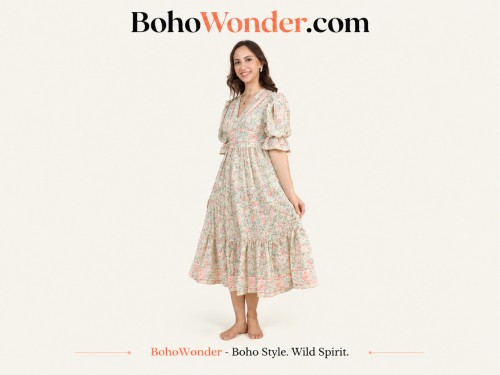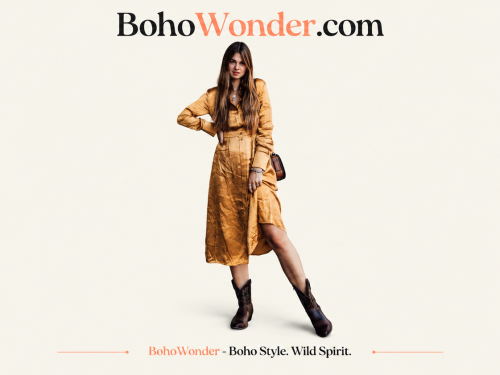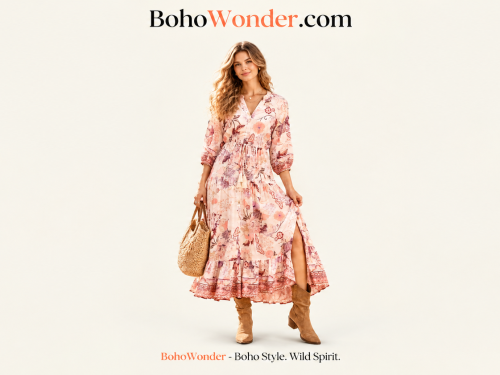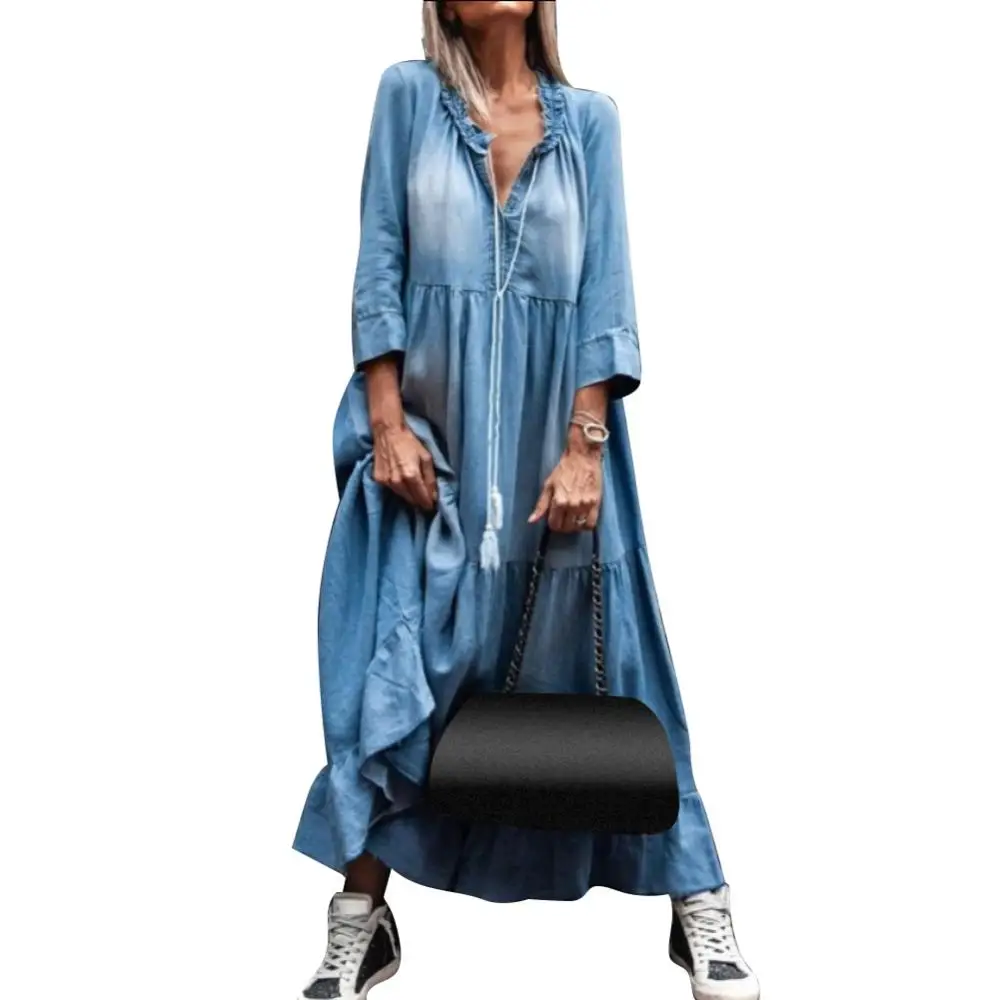
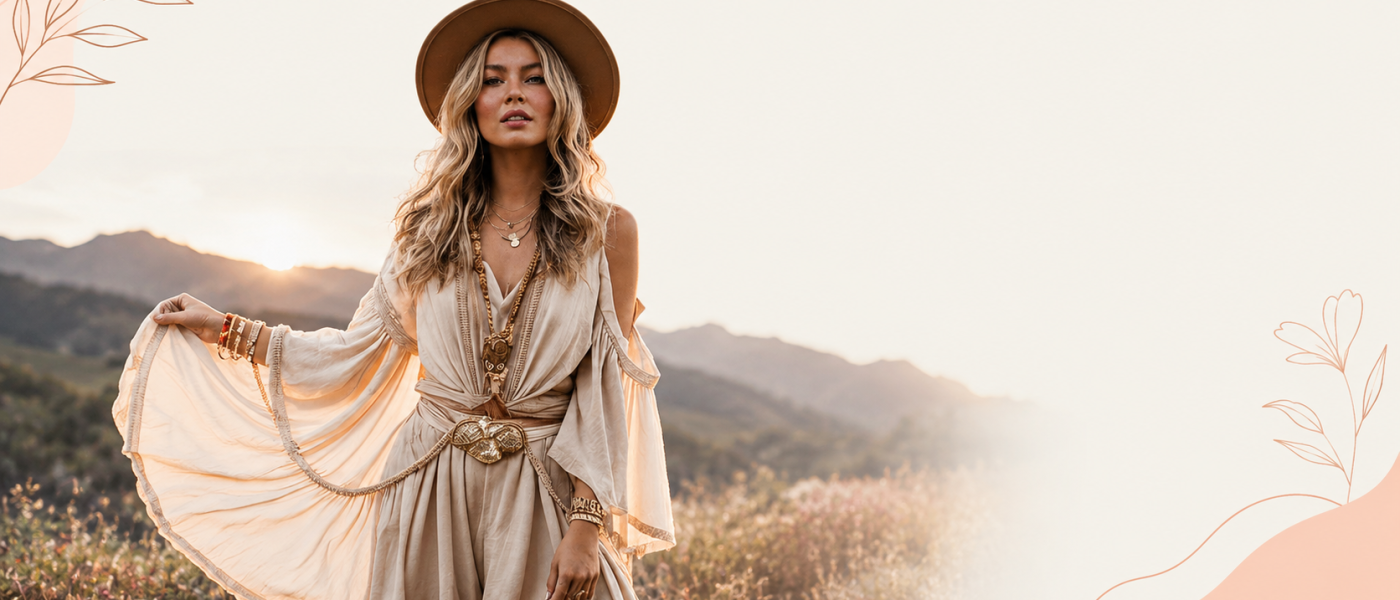
Boho vs bohemian is a common comparison in the fashion world, as both styles celebrate individuality, creativity, flowing silhouettes and a free-spirited approach to dressing. Although the terms are often used interchangeably, they have slightly different meanings. Bohemian has deeper historical and cultural roots, while boho is a modern interpretation that brings the artistic spirit of bohemian fashion into contemporary wardrobes.
Understanding the difference between boho and bohemian can help you discover your personal style, choose clothing that reflects your personality and create outfits that feel both expressive and effortless. From flowing maxi dresses and embroidered blouses to earthy colour palettes, vintage-inspired accessories and relaxed silhouettes, these two aesthetics share many elements while offering different approaches to fashion.
The distinction between boho vs bohemian is not always strict. Traditional bohemian fashion is associated with artistic communities, unconventional lifestyles and creative independence, whereas modern boho fashion focuses more on wearable, relaxed and versatile clothing. Both have influenced contemporary womenswear, making them popular choices for everyday outfits, holidays, festivals and casual occasions.
In this guide, we explore the origins, defining characteristics, colours, clothing, accessories and styling differences between boho and bohemian fashion, helping you understand both aesthetics and incorporate their most appealing elements into your wardrobe.
Boho vs Bohemian: Understanding the Key Differences
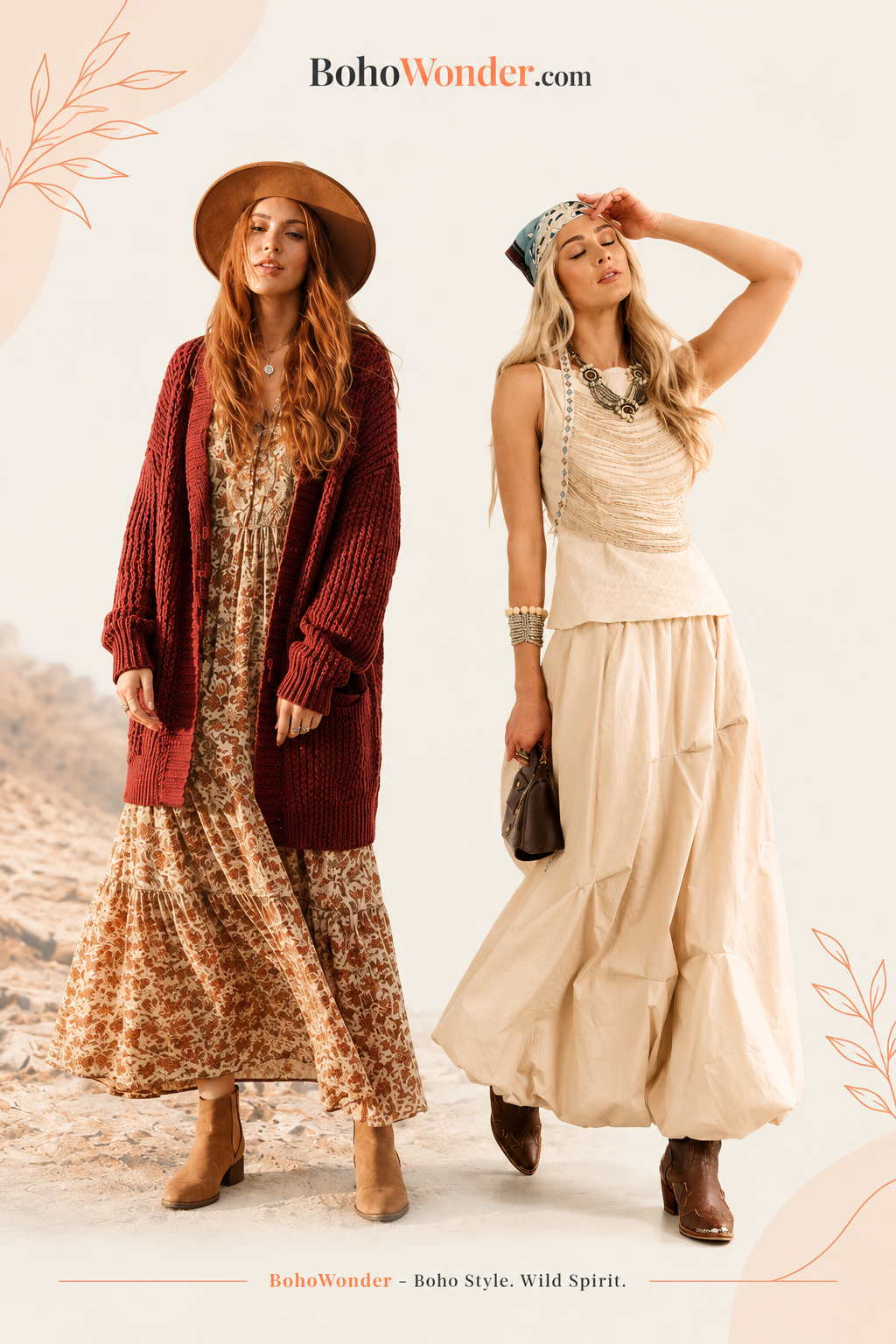
The main difference between boho and bohemian lies in their historical meaning and modern interpretation. Bohemian refers to a broader artistic and cultural tradition, while boho is a shortened, contemporary term commonly used to describe a relaxed fashion and interior design aesthetic inspired by that tradition.
Bohemian fashion has traditionally been associated with creative individuals who valued artistic freedom, individuality and unconventional ways of living. Its visual identity often includes eclectic combinations, rich colours, intricate details, vintage influences and expressive layering. Modern boho fashion retains many of these characteristics but generally presents them in a more accessible, coordinated and everyday-friendly way.
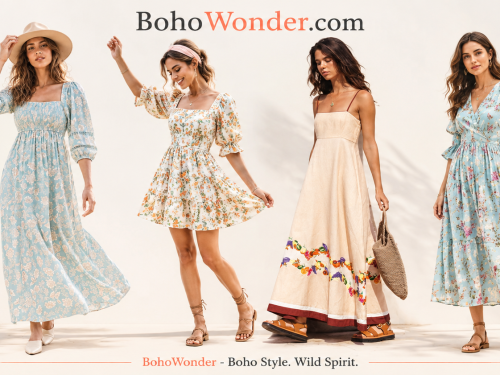
For example, a bohemian-inspired outfit might feature a richly patterned maxi skirt, an embroidered blouse, layered jewellery and vintage-inspired accessories. A contemporary boho outfit might instead combine a flowing cream dress, a woven handbag, delicate gold jewellery and simple sandals. Both express a relaxed, artistic sensibility, but their overall styling creates different impressions.
|
Fashion element |
Bohemian style |
Modern boho style |
|---|---|---|
|
Meaning |
Artistic, cultural and historical tradition with unconventional influences |
Contemporary fashion aesthetic inspired by bohemian traditions |
|
Origins |
19th-century European artistic communities |
Modern fashion influenced by bohemian and 1960s–1970s hippie aesthetics |
|
Overall appearance |
Eclectic, expressive, artistic and richly layered |
Relaxed, effortless, feminine and versatile |
|
Colour palette |
Jewel tones, rich earthy shades and contrasting colours |
Warm neutrals, cream, beige, terracotta, olive and muted tones |
|
Silhouettes |
Flowing, dramatic, layered and vintage-inspired |
Relaxed, flowing, easy-to-style and contemporary |
|
Patterns |
Artistic prints, intricate motifs, florals and eclectic combinations |
Floral prints, paisley-inspired patterns and subtle decorative details |
|
Textures |
Embroidery, velvet, lace, crochet and layered textiles |
Crochet, woven details, embroidery, lace and relaxed textures |
|
Accessories |
Statement jewellery, vintage-inspired pieces and eclectic accessories |
Woven bags, delicate jewellery, simple belts and natural-looking accessories |
|
Lifestyle association |
Historically linked to artistic expression and unconventional living |
Primarily a fashion and decor choice |
|
Everyday styling |
Expressive combinations with distinctive personal details |
Adaptable outfits suitable for casual and modern occasions |
These differences are general interpretations rather than strict fashion rules. A single outfit can easily incorporate elements of both styles, depending on its colours, silhouettes, textures and accessories.
What Is Bohemian Style?
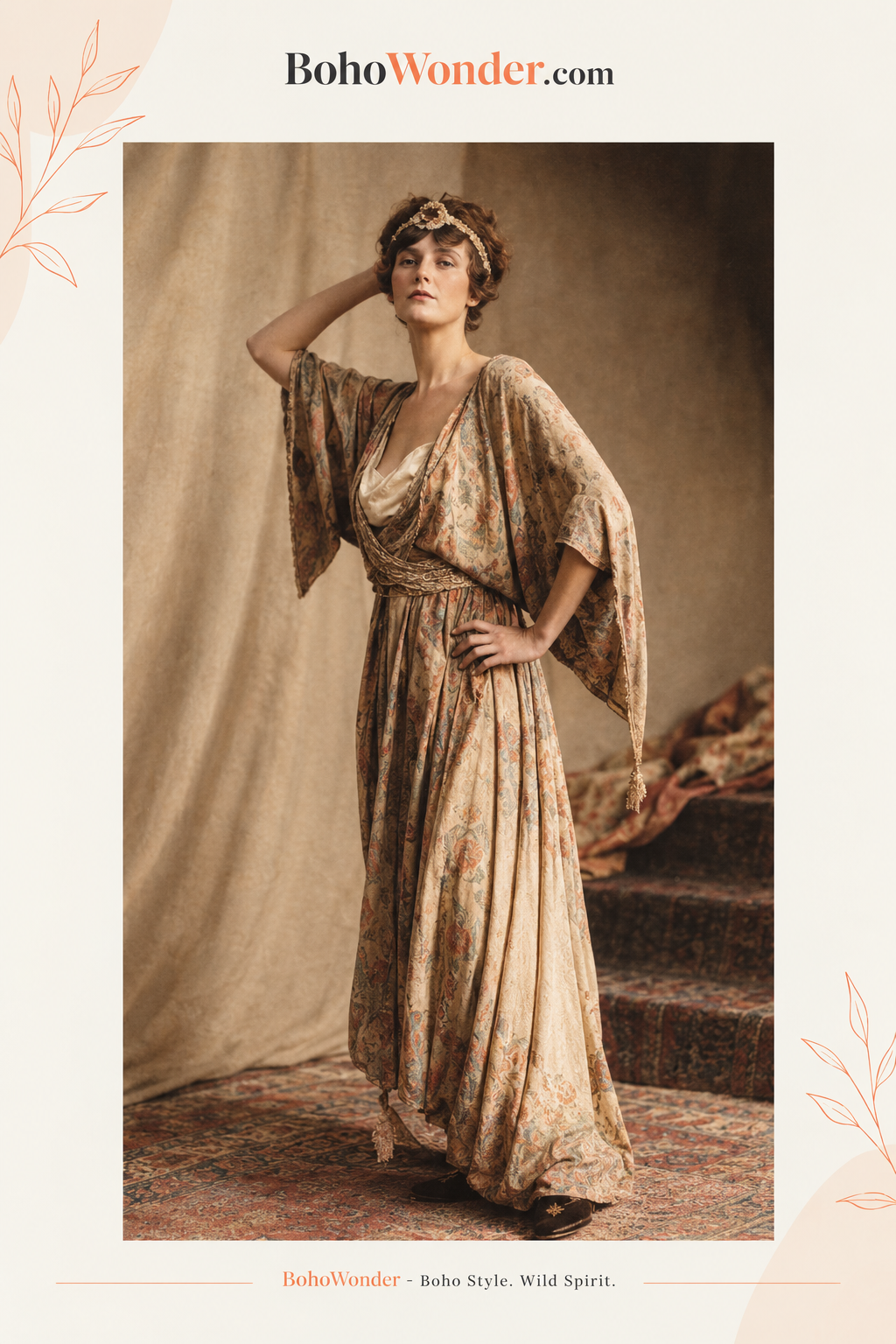
Bohemian style is a fashion aesthetic rooted in a broader cultural and artistic tradition. The term became associated with unconventional artists, writers and creative communities in 19th-century Europe, particularly Paris. These communities often challenged conventional social expectations and embraced artistic independence, individuality and alternative ways of living.
Historically, bohemian identity extended beyond clothing. It reflected a creative approach to life, art, personal values and social conventions. The clothing associated with bohemian communities was often eclectic and individual, influenced by artistic interests, practical considerations and a preference for personal expression over formal dress codes.
Over time, bohemian fashion developed into a recognisable aesthetic characterised by flowing garments, expressive prints, intricate embellishments, vintage-inspired details and combinations of contrasting textures. Rather than following a fixed formula, the style encourages experimentation and individual interpretation.
The Origins of Bohemian Fashion
The historical roots of bohemian fashion can be traced to the artistic communities of 19th-century Europe. Artists, writers, musicians and intellectuals were often associated with lifestyles that differed from mainstream social expectations. Their unconventional attitudes influenced how bohemian culture was perceived, including its approach to clothing and personal presentation.
The term itself has a complex history, but its association with creative communities helped establish bohemian as a lasting cultural concept. Clothing became one way to express individuality, artistic identity and resistance to conventional expectations.
As the aesthetic evolved, bohemian fashion absorbed influences from different artistic movements, historical garments and international styles. Its development was not linear or uniform, and there was never a single universally accepted bohemian wardrobe. Instead, the style became associated with a spirit of creative freedom and eclectic personal expression.
The Defining Characteristics of Bohemian Style
Bohemian fashion is often recognised through its rich textures, expressive colours, flowing silhouettes and artistic combinations. It places particular emphasis on individuality, allowing different garments and accessories to come together in a distinctive outfit.
Common characteristics include:
- Flowing silhouettes: Maxi dresses, long skirts, relaxed blouses, wide sleeves and loose-fitting garments that create movement.
- Rich colour palettes: Burgundy, emerald, plum, sapphire, rust, warm brown and other expressive shades.
- Artistic patterns: Floral designs, paisley-inspired motifs, intricate prints and decorative details.
- Textured garments: Embroidery, lace, crochet, velvet, woven elements and layered fabrics.
- Eclectic accessories: Statement necklaces, layered bracelets, vintage-inspired jewellery, decorative belts and distinctive handbags.
- Creative layering: Combining garments with different lengths, textures, patterns and proportions to create an individual appearance.
These characteristics can be interpreted in many ways. Some bohemian outfits are richly layered and colourful, while others use simple silhouettes and understated details. The central idea is artistic individuality rather than adherence to a specific collection of garments.
The Bohemian Colour Palette
Colour plays an important role in many interpretations of bohemian fashion. Rich jewel tones such as emerald green, burgundy, plum, sapphire and deep teal can create an expressive, romantic appearance. These colours are often complemented by earthy shades, warm neutrals and intricate patterns.
Bohemian outfits may also incorporate contrasting colours and unexpected combinations. A richly coloured embroidered blouse, for instance, can be paired with a patterned skirt and textured accessories to create a distinctive look.
However, bohemian fashion is not restricted to dark or vibrant colours. Soft cream, ivory, beige, dusty rose and muted natural shades can also form part of a bohemian wardrobe. The overall impression depends on the combination of garments, textures and accessories.
What Is Boho Style?
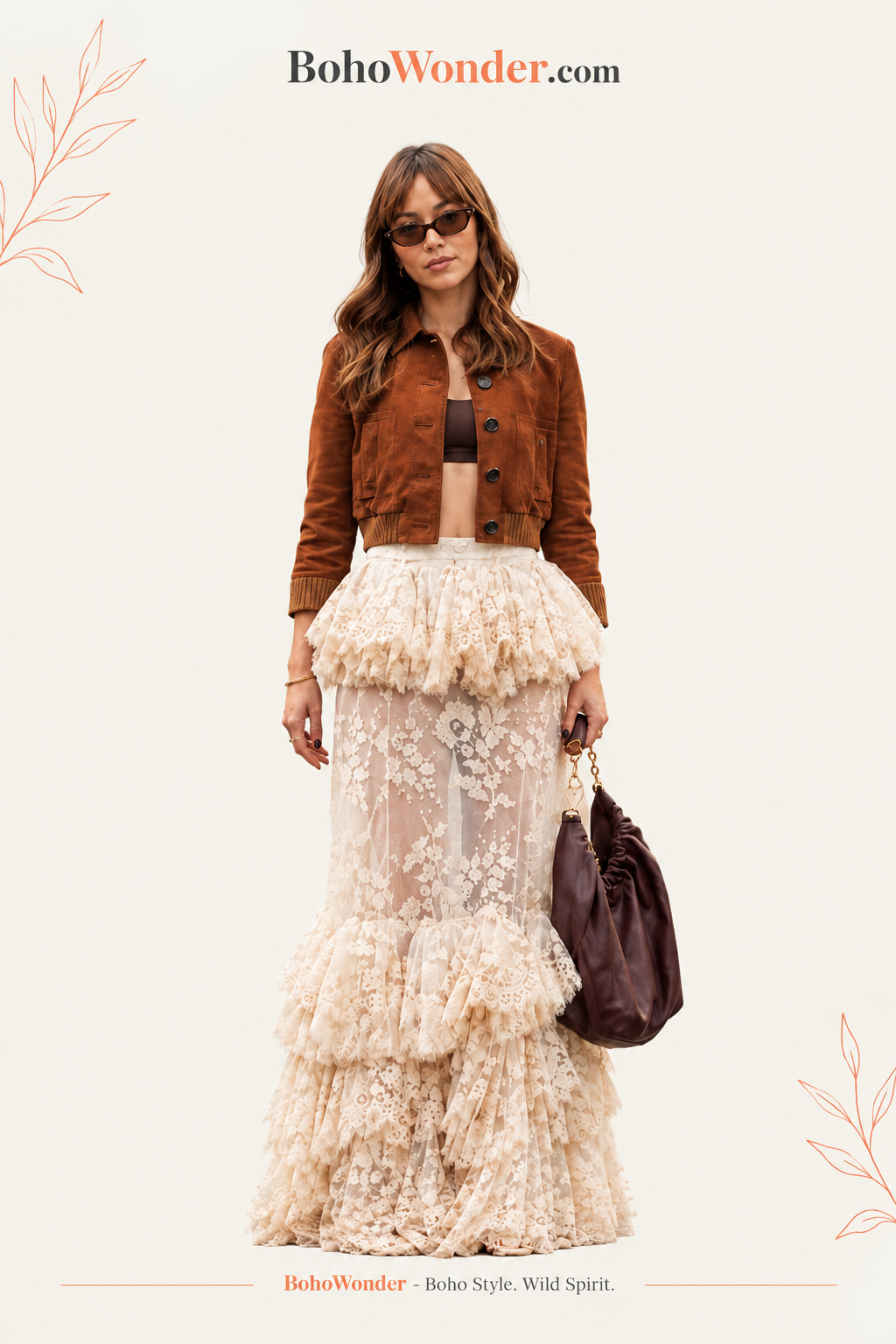
Boho is a shortened form of bohemian and is widely used to describe a contemporary fashion and decor aesthetic inspired by bohemian culture. While traditional bohemian style has broader historical and artistic associations, modern boho fashion generally focuses on relaxed silhouettes, earthy colours, comfortable-looking styling and versatile clothing.
The modern boho aesthetic developed through the combination of historical bohemian influences, 1960s and 1970s hippie fashion and contemporary trends. Its popularity has helped make flowing dresses, embroidered tops, woven accessories and relaxed silhouettes familiar elements of modern womenswear.
Unlike the broader cultural meaning of bohemian, boho is primarily a style label. People can embrace boho fashion simply because they enjoy its colours, patterns, silhouettes and relaxed visual appeal, without identifying with a particular lifestyle or cultural movement.
The Evolution of Modern Boho Fashion
Modern boho fashion draws inspiration from several decades of expressive clothing and artistic movements. The 1960s and 1970s contributed flowing garments, relaxed proportions, decorative details and an emphasis on personal expression. These influences intersected with existing bohemian aesthetics, helping shape the contemporary interpretation of boho.
Over time, designers and fashion retailers adapted these elements into modern garments and coordinated collections. Flowing maxi dresses, loose blouses, tiered skirts, wide-leg trousers, crochet details and woven accessories became common features of boho-inspired fashion.
Contemporary boho also incorporates minimalist influences, allowing expressive details to coexist with simpler silhouettes and more restrained colour palettes. A neutral dress with delicate embroidery, for example, can convey a modern boho aesthetic without relying on elaborate patterns or extensive layering.
The Defining Characteristics of Boho Style
Modern boho fashion is often associated with relaxed, feminine and versatile clothing. Its defining elements combine artistic influences with contemporary styling, making the aesthetic adaptable to different occasions and personal preferences.
Common characteristics include:
- Relaxed silhouettes: Flowing maxi dresses, tiered skirts, loose blouses, wrap-style garments and wide-leg trousers.
- Earthy colours: Cream, beige, sand, terracotta, olive, caramel and warm brown.
- Soft decorative details: Embroidery, crochet, lace trims, subtle ruffles, woven textures and delicate embellishments.
- Natural-looking accessories: Woven handbags, simple jewellery, leather-inspired sandals and understated belts.
- Versatile styling: Pieces that can be worn separately, layered or combined with contemporary wardrobe staples.
- Effortless combinations: Coordinated outfits that express individuality without requiring complicated styling.
These characteristics make modern boho particularly adaptable. A flowing dress can become the focal point of an outfit, while accessories and outerwear can change its overall appearance.
The Boho Colour Palette
The modern boho colour palette often features warm, earthy and understated shades. Cream, beige, sand, ivory, terracotta, olive, caramel and warm brown create a natural-looking foundation for relaxed outfits.
These colours can be combined with floral prints, paisley-inspired patterns, embroidered details and textured accessories. Muted shades often create a softer aesthetic, while brighter accents introduce personality and visual contrast.
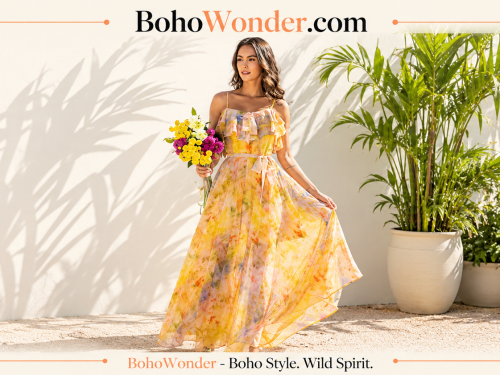
For example, a cream maxi dress paired with a tan woven bag and delicate gold jewellery creates a simple contemporary boho outfit. Adding a rust-coloured scarf or a patterned outer layer can make the same look more expressive while preserving its relaxed character.
Boho vs Bohemian: The Main Fashion Differences
Although boho and bohemian fashion share many characteristics, comparing their common styling elements can make the distinction easier to understand. Their differences are primarily matters of emphasis, since neither aesthetic has a universally fixed set of rules.
Boho vs Bohemian: Colours and Patterns
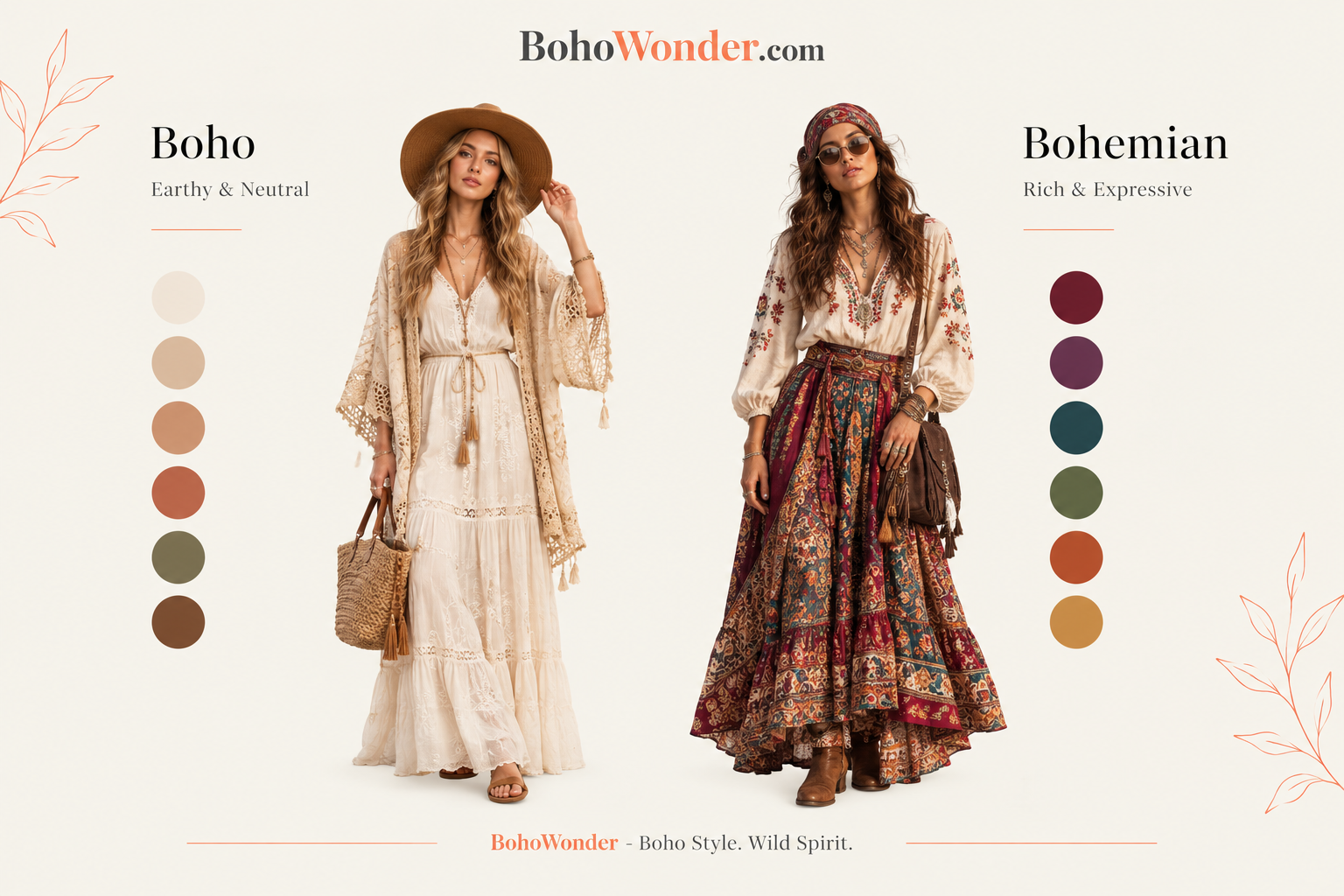
Bohemian fashion often embraces a rich and eclectic combination of colours and patterns. Deep jewel tones, warm earthy shades, intricate florals and contrasting prints can create a layered artistic appearance.
Modern boho fashion frequently favours a more coordinated palette of warm neutrals, muted earthy shades and subtle patterns. Floral dresses, cream blouses and terracotta accessories can create a relaxed and harmonious look.
However, colour alone does not determine whether an outfit is boho or bohemian. A colourful maxi dress can fit either aesthetic, depending on its silhouette, decorative details and overall styling.
Boho vs Bohemian: Silhouettes and Fit
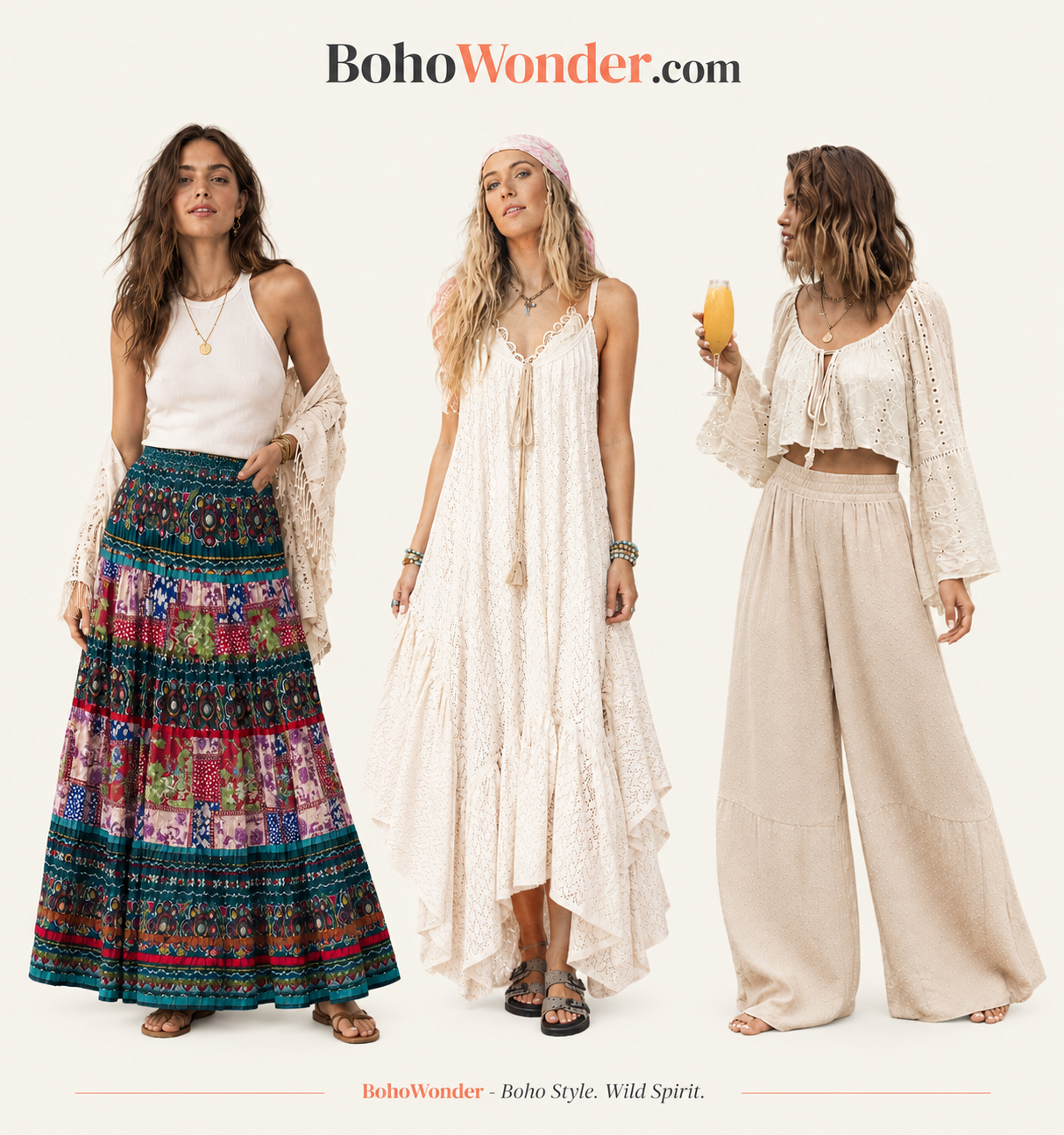 Both aesthetics favour flowing garments, relaxed proportions and silhouettes that create movement. Maxi dresses, long skirts, loose blouses and wide-leg trousers are common to both.
Bohemian fashion may incorporate more dramatic or eclectic proportions, particularly when combining vintage-inspired garments, contrasting layers and expressive details. Modern boho often places greater emphasis on coordinated silhouettes and adaptable everyday outfits.
A flowing skirt paired with a richly embroidered blouse and statement accessories may suggest a more traditional bohemian interpretation. The same skirt styled with a simple neutral top and woven handbag can create a contemporary boho look.
Boho vs Bohemian: Textures and Fabrics
Texture is an important element in both styles. Embroidery, crochet, lace, woven details and decorative finishes can all contribute to a bohemian or boho aesthetic.
Bohemian styling may emphasise the combination of multiple textures, vintage-inspired details and expressive layers. Modern boho often uses texture more selectively, allowing a particular garment or accessory to become the focal point.
For instance, an embroidered blouse paired with a simple flowing skirt can create an understated boho outfit, while combining embroidery, patterned layers, textured outerwear and statement jewellery can produce a more eclectic bohemian look. Printed skirts and flowing silhouettes are common in bohemian-inspired outfits. Explore our boho skirts for more styling inspiration
These are styling observations rather than guarantees about material composition or garment construction. Specific fabric properties depend on the individual product.
Boho vs Bohemian: Accessories
Accessories can significantly influence the overall character of an outfit. Bohemian styling often features expressive jewellery, vintage-inspired accessories, decorative belts and eclectic combinations. Modern boho styling may favour woven bags, delicate necklaces, simple earrings and understated accessories.
A woven handbag, for example, can complement both aesthetics. Paired with a neutral maxi dress and minimal jewellery, it contributes to a contemporary boho appearance. Combined with a richly patterned skirt, layered necklaces and textured outerwear, it can become part of a more eclectic bohemian ensemble.
The distinction comes from the overall composition rather than the accessory itself.
Boho vs Bohemian: Lifestyle and Personal Expression
One of the most significant differences is the broader meaning associated with each term. Historically, bohemian identity could describe unconventional artistic values and a particular approach to life, while boho today is generally understood as a fashion and decor aesthetic.
Wearing boho clothing does not require adopting a particular lifestyle or philosophy. Similarly, enjoying bohemian-inspired fashion does not necessarily mean identifying with the historical communities from which the aesthetic developed. For an effortless everyday look, pair a relaxed top with denim or a flowing skirt. Discover our boho tops.
Both styles can provide inspiration for personal expression, but it is useful to distinguish contemporary fashion choices from their historical and cultural associations.
How to Style Boho and Bohemian Outfits
Understanding the difference between boho and bohemian becomes more practical when applying each aesthetic to real outfits. Both can be adapted to everyday wardrobes by focusing on silhouettes, colour combinations, textures and accessories.
How to Create a Modern Boho Outfit
To create a modern boho outfit, begin with a relaxed garment such as a flowing maxi dress, an embroidered blouse or a tiered skirt. Choose a colour palette that reflects the understated, earthy character commonly associated with contemporary boho fashion.
A cream maxi dress paired with a woven handbag, delicate gold jewellery and simple sandals creates a balanced daytime look. For additional texture, consider an embroidered layer, a crochet cardigan or a subtly patterned accessory.
For a more casual outfit, combine a loose blouse with wide-leg trousers and understated accessories. A flowing skirt paired with a simple top can also provide a versatile foundation for different occasions.
The key to modern boho styling is balance. Allow one or two elements to establish the aesthetic, then use simpler garments and accessories to create a cohesive overall appearance.
How to Create a Bohemian Outfit
To create a bohemian outfit, consider beginning with an expressive garment such as a richly patterned maxi skirt, an embroidered blouse or a flowing dress with distinctive details.
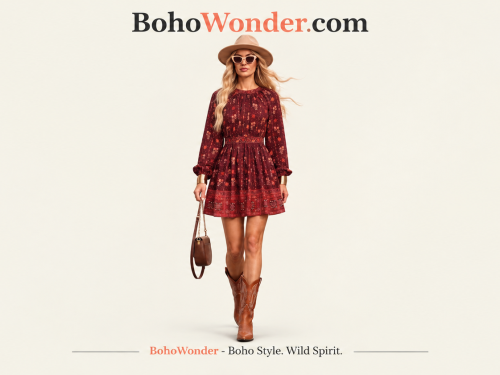
A burgundy floral skirt paired with an embroidered blouse can create an artistic foundation. Layered necklaces, vintage-inspired earrings or a textured jacket can add further personality and visual interest.
You can experiment with contrasting textures and complementary colours, but it is not necessary to incorporate every bohemian element at once. A single distinctive garment can provide enough character for the entire outfit.
For a more contemporary interpretation, combine an expressive bohemian piece with modern basics. A patterned skirt paired with a simple blouse or a richly coloured dress styled with understated accessories can retain its artistic character while remaining easy to wear.
How to Combine Boho and Bohemian Elements
Combining boho and bohemian elements is an easy way to create a distinctive personal wardrobe. The two aesthetics share flowing silhouettes, artistic details, relaxed styling and an appreciation for individuality, so their elements can work naturally together.
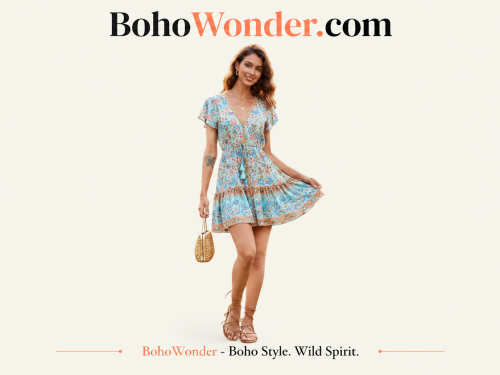
A rust-coloured floral maxi dress, for example, can provide a contemporary boho foundation. Adding a crochet cardigan, layered jewellery and a woven bag introduces more expressive bohemian influences.
Another option is to pair a richly embroidered blouse with simple wide-leg trousers and understated accessories. Accessories such as woven bags, layered necklaces and textured details can complete a boho-inspired outfit. The blouse provides the artistic focal point, while the rest of the outfit keeps the overall appearance relaxed and modern.
This approach allows you to explore different interpretations of boho vs bohemian without treating them as rigid categories.
Boho vs Bohemian for Different Occasions
Both aesthetics can be adapted to a variety of settings, although the choice of garments, accessories and styling can influence how formal or relaxed an outfit appears.
Everyday Casual Outfits
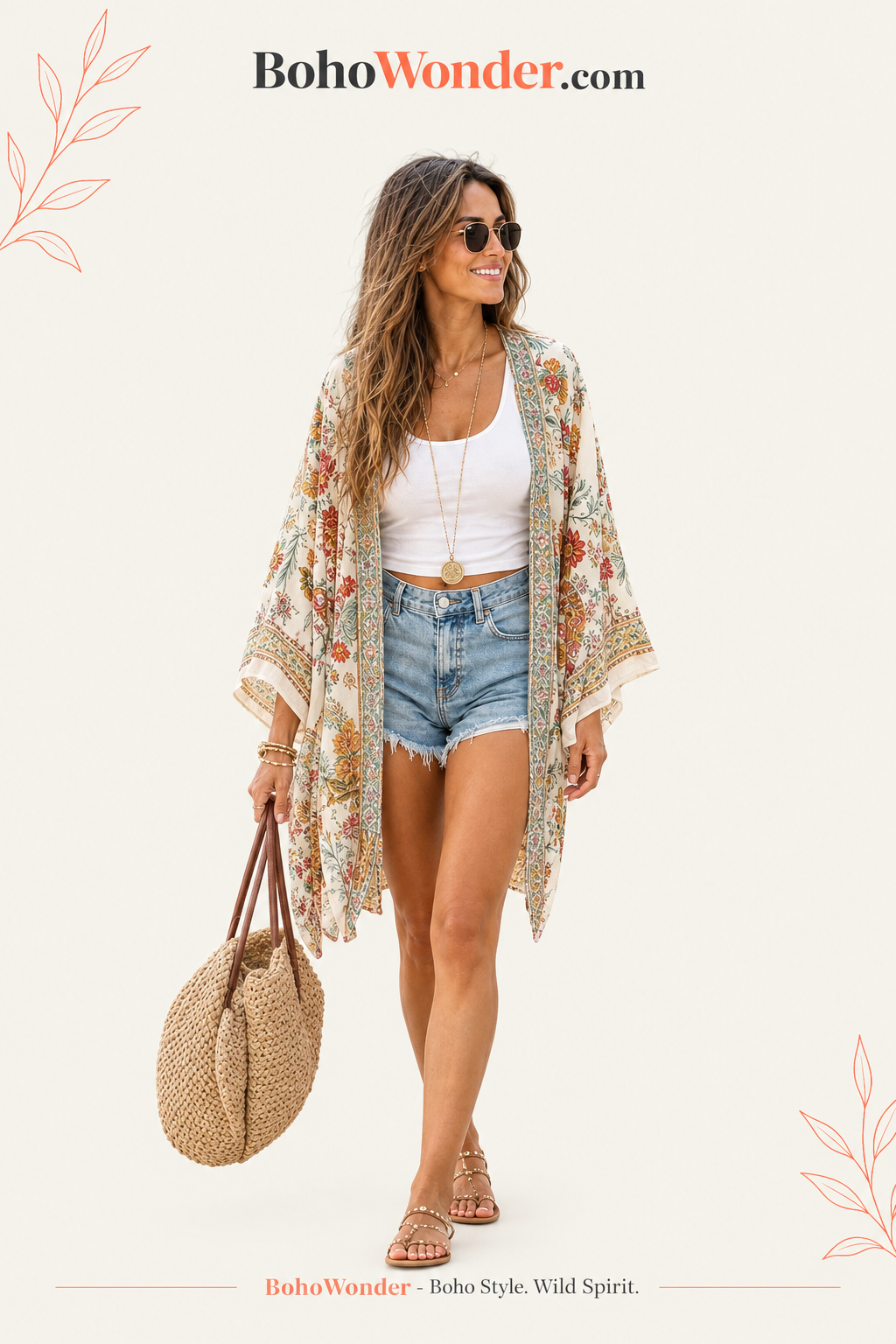
For everyday dressing, modern boho offers a straightforward approach built around relaxed silhouettes and versatile combinations. An embroidered blouse paired with wide-leg trousers, a woven handbag and simple sandals creates an outfit that feels expressive without appearing overly elaborate.
Bohemian influences can be introduced through patterned garments, distinctive jewellery or vintage-inspired accessories. A colourful scarf or a richly detailed blouse can add individuality to a simple everyday outfit.
Holiday and Resort Outfits
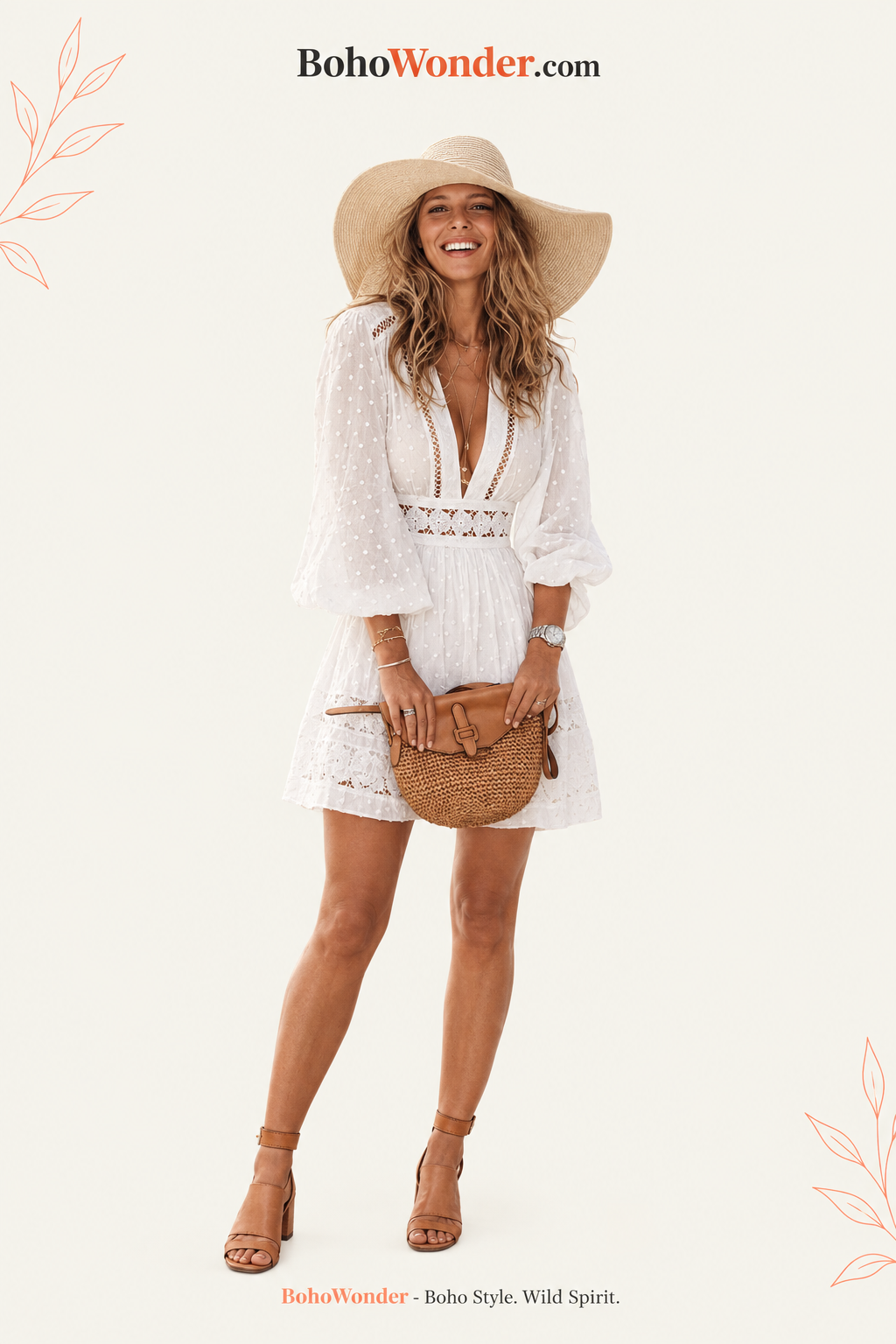
Boho and bohemian aesthetics both lend themselves to holiday-inspired dressing. Flowing maxi dresses, relaxed blouses, wide-leg trousers and woven accessories can create outfits suited to resort settings and casual holiday activities.
A neutral boho dress with a woven tote and understated accessories creates a relaxed resort look. A more expressive bohemian interpretation might incorporate a richly patterned dress, statement jewellery and contrasting textures.
The choice between the two depends on the desired appearance rather than the occasion itself.
Festivals and Creative Gatherings
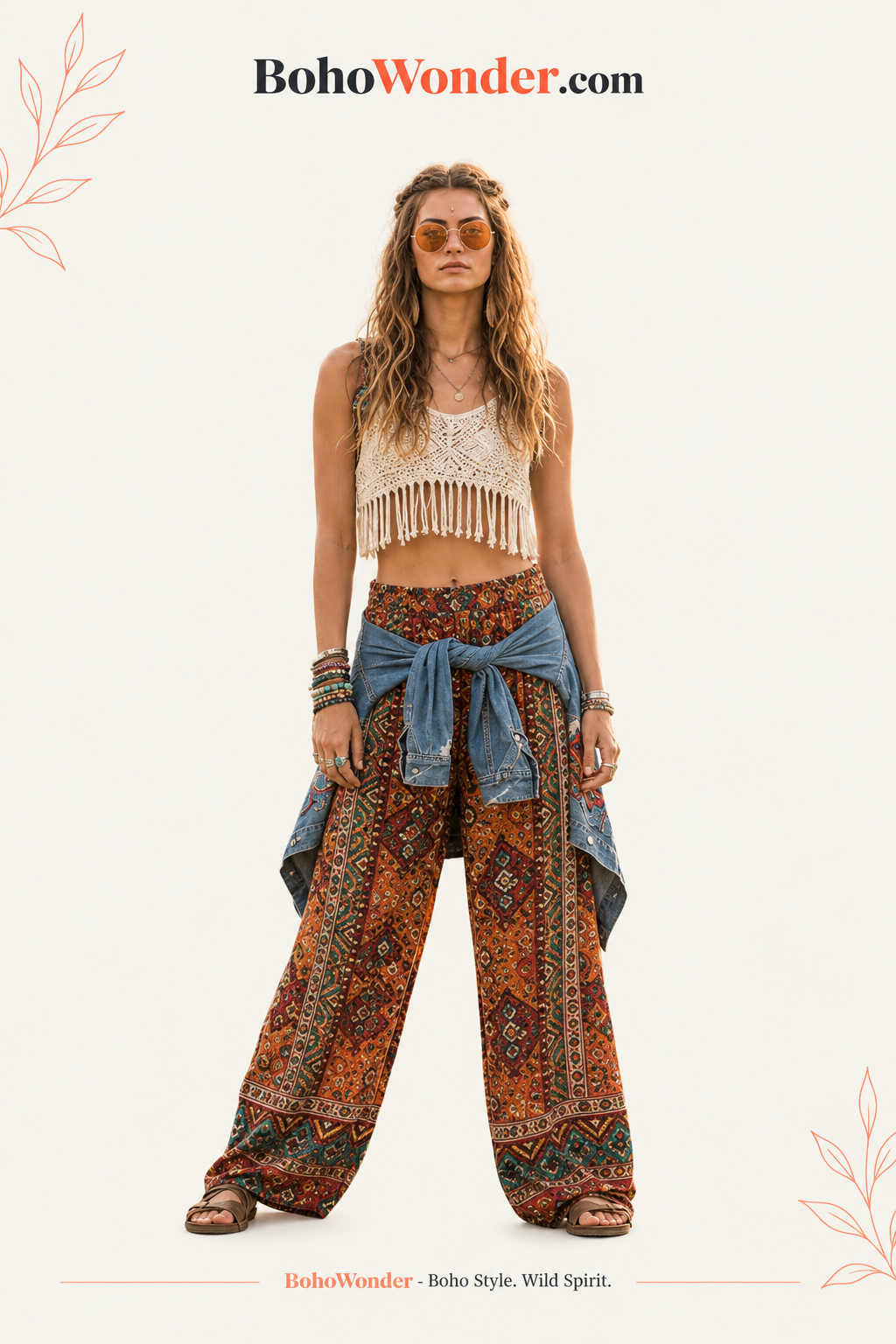
Bohemian and boho fashion are both commonly associated with expressive festival-inspired outfits. Flowing garments, decorative details, textured accessories and relaxed silhouettes can create a distinctive look for outdoor events and creative gatherings.
A modern boho outfit might feature a floral maxi dress, a woven bag and understated jewellery. A more eclectic bohemian look could combine a patterned skirt, embroidered blouse, layered accessories and a textured outer layer.
The most useful approach is to select garments appropriate to the event and then introduce the aesthetic through colour, texture and personal styling.
Common Mistakes When Comparing Boho vs Bohemian
The similarities between boho and bohemian fashion can create confusion, particularly when the terms are used interchangeably by retailers and fashion publications. Understanding a few common misconceptions can make it easier to recognise the differences without imposing unnecessary restrictions on either aesthetic.
Thinking Boho and Bohemian Are Completely Separate Styles
Boho is derived from bohemian, and the two aesthetics share many of the same visual influences. Flowing dresses, artistic prints, embroidery, crochet, relaxed silhouettes and expressive accessories can all appear in both.
The distinction is primarily one of emphasis. Bohemian has broader historical and cultural associations, while boho is generally used as a contemporary fashion label.
Assuming Boho Fashion Must Always Be Neutral
Earthy colours are common in modern boho fashion, but the aesthetic is not limited to beige, cream, brown or olive. Colourful floral prints, rich accents, contrasting shades and expressive accessories can also contribute to a contemporary boho outfit.
The overall balance of the look is more important than following a specific colour formula.
Believing Bohemian Fashion Must Be Vintage
Bohemian fashion has historical roots, but contemporary outfits do not need to consist of vintage garments. Modern silhouettes, current accessories and contemporary styling can all be incorporated into bohemian-inspired looks.
Vintage influences are one way to express the aesthetic, not a requirement.
Confusing Bohemian, Hippie and Boho Fashion
These terms are related, but they describe overlapping rather than identical influences. Bohemian has historical roots in artistic communities and unconventional cultural expression. Hippie fashion is associated more specifically with the countercultural movements of the 1960s and 1970s. Modern boho draws from both traditions and adapts their visual elements for contemporary fashion.
Recognising these differences helps explain why the terms frequently appear together while retaining their own historical associations.
Adding Too Many Details to an Outfit
Both boho and bohemian fashion can incorporate patterns, textures, layers and accessories, but an outfit does not need every element to communicate the aesthetic.
A flowing dress with a distinctive print can be sufficient for a modern boho look. An embroidered blouse or richly coloured skirt can provide a focal point for a bohemian-inspired outfit.
Choosing a few complementary elements often creates a more cohesive appearance than combining numerous competing details.
Frequently Asked Questions About Boho vs Bohemian
Is boho the same as bohemian?
Boho is a shortened form of bohemian, and the terms are often used interchangeably in contemporary fashion. However, bohemian has broader historical, artistic and lifestyle associations, while boho usually refers to a modern fashion and decor aesthetic inspired by bohemian traditions.
What is the main difference between boho and bohemian fashion?
The main difference is their emphasis. Bohemian fashion is associated with artistic individuality, eclectic styling, historical influences and unconventional creative expression. Modern boho fashion generally focuses on relaxed silhouettes, earthy colours, versatile garments and accessible everyday styling. Both aesthetics overlap considerably.
Is boho more modern than bohemian?
Generally, yes. Boho is commonly used as a contemporary fashion term, while bohemian has a longer historical background and broader cultural meaning. Modern boho incorporates elements of traditional bohemian aesthetics alongside influences from later fashion movements.
What is boho chic?
Boho chic is a polished interpretation of contemporary boho fashion. It combines relaxed silhouettes, flowing garments, artistic details and earthy colours with coordinated styling and modern wardrobe pieces. The result is an approachable aesthetic that retains bohemian influences while appearing more refined and contemporary.
BohoWonder Edit: Find Your Own Boho and Bohemian Style
At BohoWonder, contemporary bohemian fashion is about celebrating individuality through relaxed silhouettes, artistic details and versatile styling. The modern boho aesthetic offers an accessible way to explore these influences, combining flowing garments, warm colours, expressive patterns and thoughtful accessories.
For those who prefer understated outfits, a neutral maxi dress, an embroidered blouse or a flowing skirt can provide a versatile foundation. Woven handbags, delicate jewellery and textured layers can introduce additional character while maintaining a relaxed appearance.
For a more expressive interpretation, consider incorporating richly coloured patterns, distinctive embroidery, layered accessories and vintage-inspired details. These elements can bring traditional bohemian influences into contemporary outfits without requiring an entirely different wardrobe.
The beauty of boho vs bohemian fashion is that the two aesthetics offer plenty of opportunities for experimentation. You can create a wardrobe that leans towards effortless modern boho, embraces eclectic bohemian expression or combines both according to your personal preferences.
Explore the BohoWonder collection for contemporary boho fashion inspiration, and discover flowing silhouettes, expressive details and styling ideas that can help you make the aesthetic your own.
Conclusion
The difference between boho and bohemian comes down to their historical background, cultural associations and contemporary fashion interpretations. Bohemian has roots in 19th-century artistic communities and a broader tradition of creative independence and unconventional expression. Boho is a modern abbreviation that has evolved into an accessible fashion and lifestyle aesthetic, influenced by traditional bohemian culture and the expressive clothing of the 1960s and 1970s.
In contemporary fashion, bohemian style often suggests eclectic combinations, artistic details, rich colours and expressive layering, while modern boho is commonly associated with relaxed silhouettes, earthy palettes, versatile garments and effortless styling. However, these are flexible interpretations rather than strict definitions, and the two aesthetics frequently overlap.
If you enjoy relaxed everyday outfits, modern boho offers a versatile foundation for building a wardrobe around flowing dresses, embroidered blouses, woven accessories and warm neutrals. If you prefer more artistic and eclectic combinations, bohemian fashion offers inspiration through expressive patterns, distinctive textures, rich colours and vintage influences. You can also combine both aesthetics to create outfits that feel contemporary, individual and authentic to your personal taste.
Ultimately, boho vs bohemian is not about choosing one style over the other, but understanding their shared influences and discovering how each can inspire your own fashion identity.