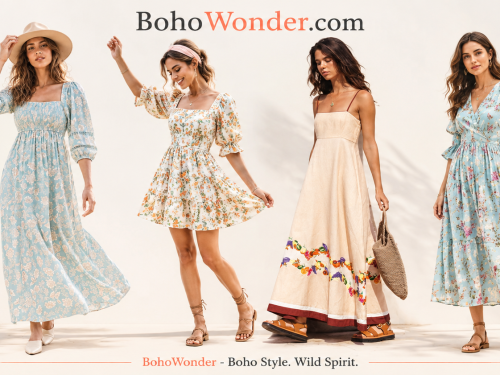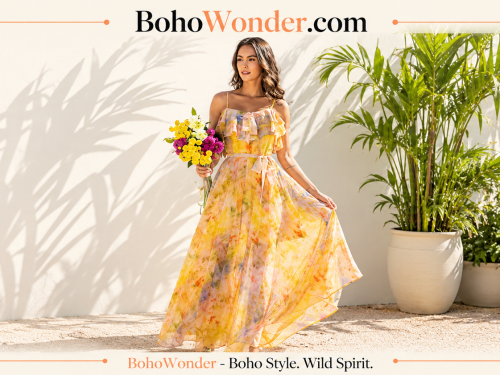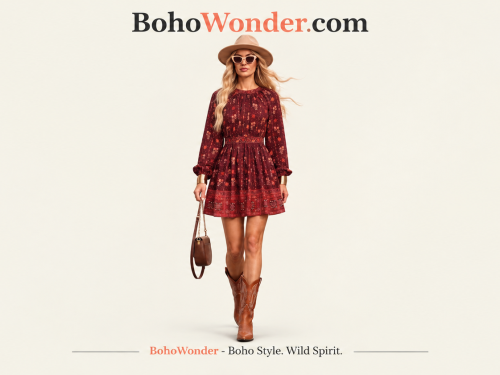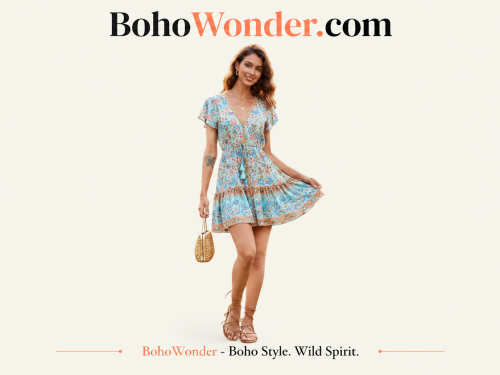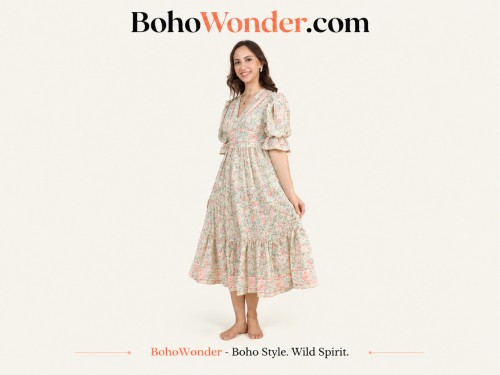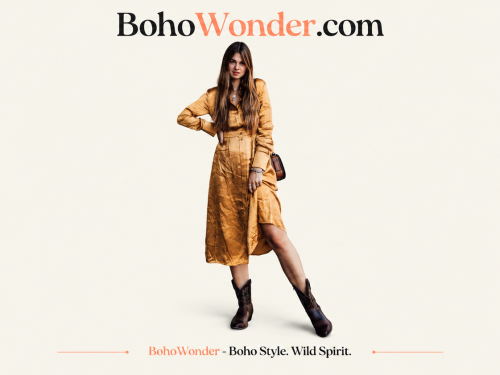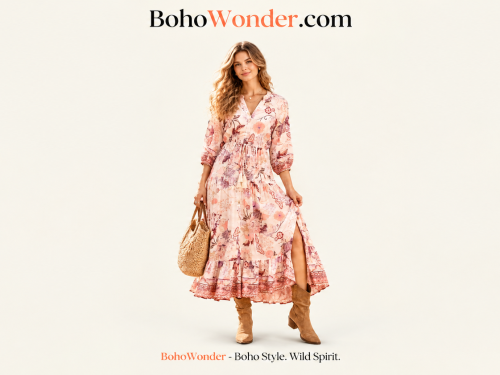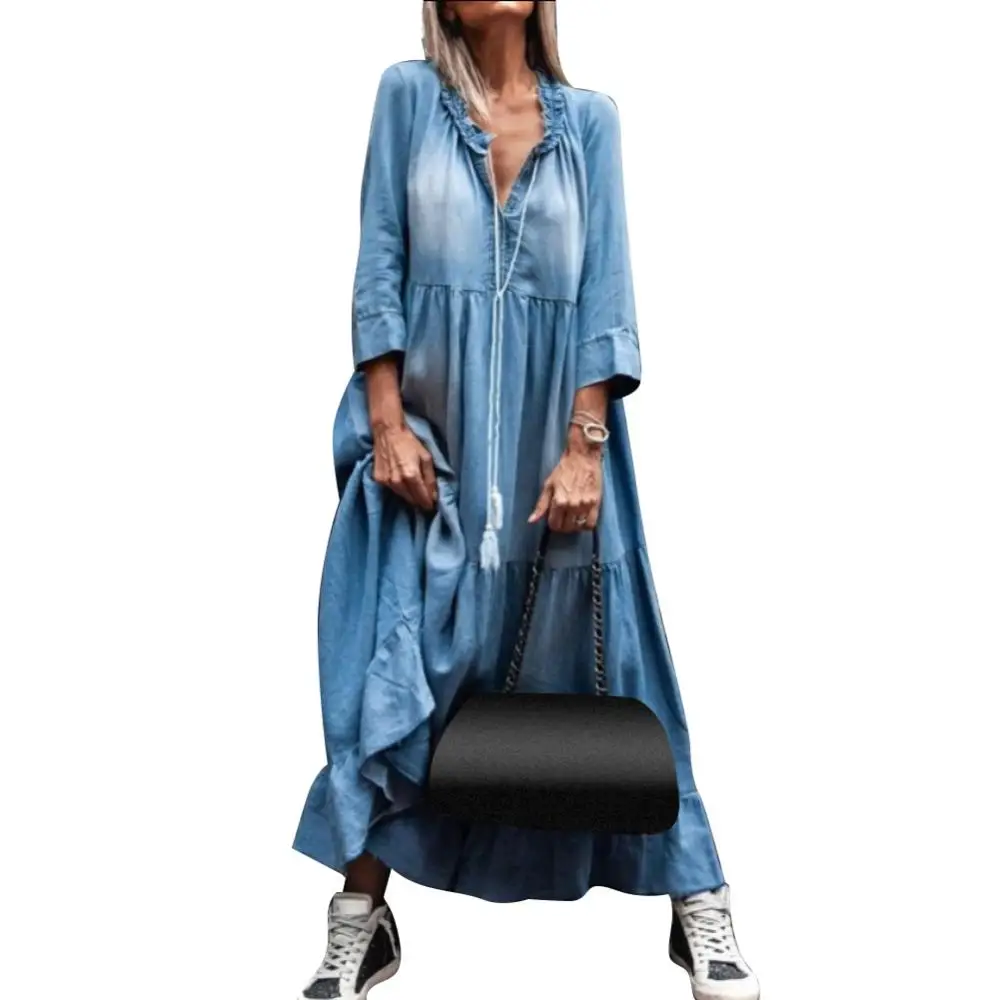
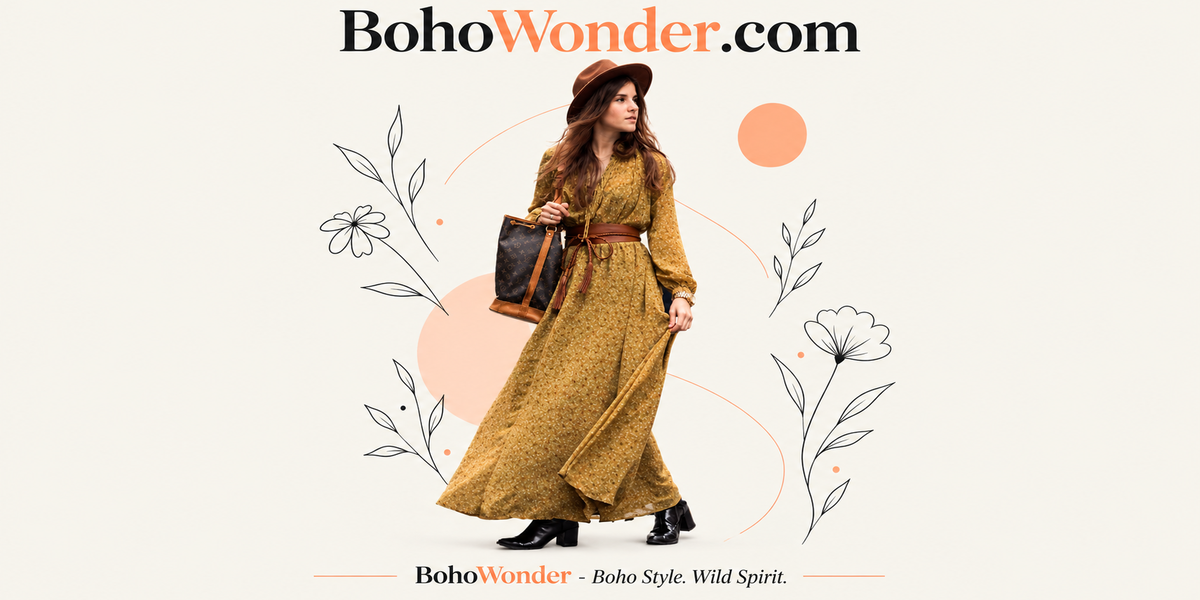
Boho fashion, short for bohemian fashion, is a relaxed and expressive approach to dressing built around flowing silhouettes, rich textures, earthy colours, romantic details and thoughtful layering. Rather than following a rigid formula, modern bohemian style is about combining pieces in a way that feels personal, effortless and visually interesting.
From flowing maxi dresses and crochet textures to suede accents, layered jewellery and vintage-inspired details, boho style has evolved far beyond its festival associations. Today, it can work for everyday outfits, holidays, beach days, brunches, casual gatherings and dressed-up occasions.
Quick Answer
Boho fashion is a free-spirited style that combines relaxed silhouettes, tactile fabrics, expressive details and natural-looking colours. Its history reaches back to 19th-century European bohemian culture and later developed through the counterculture fashion of the 1960s and 1970s. The style was subsequently reinterpreted by designers and popularised through different fashion eras.
Modern boho is less about recreating a particular historical look and more about creating contrast. A flowing dress might be paired with a structured jacket, relaxed trousers with a fitted top, or a simple blouse with layered jewellery and textured accessories. The result can feel romantic, earthy, polished or relaxed depending on the pieces you choose.
Where Did Boho Fashion Come From?
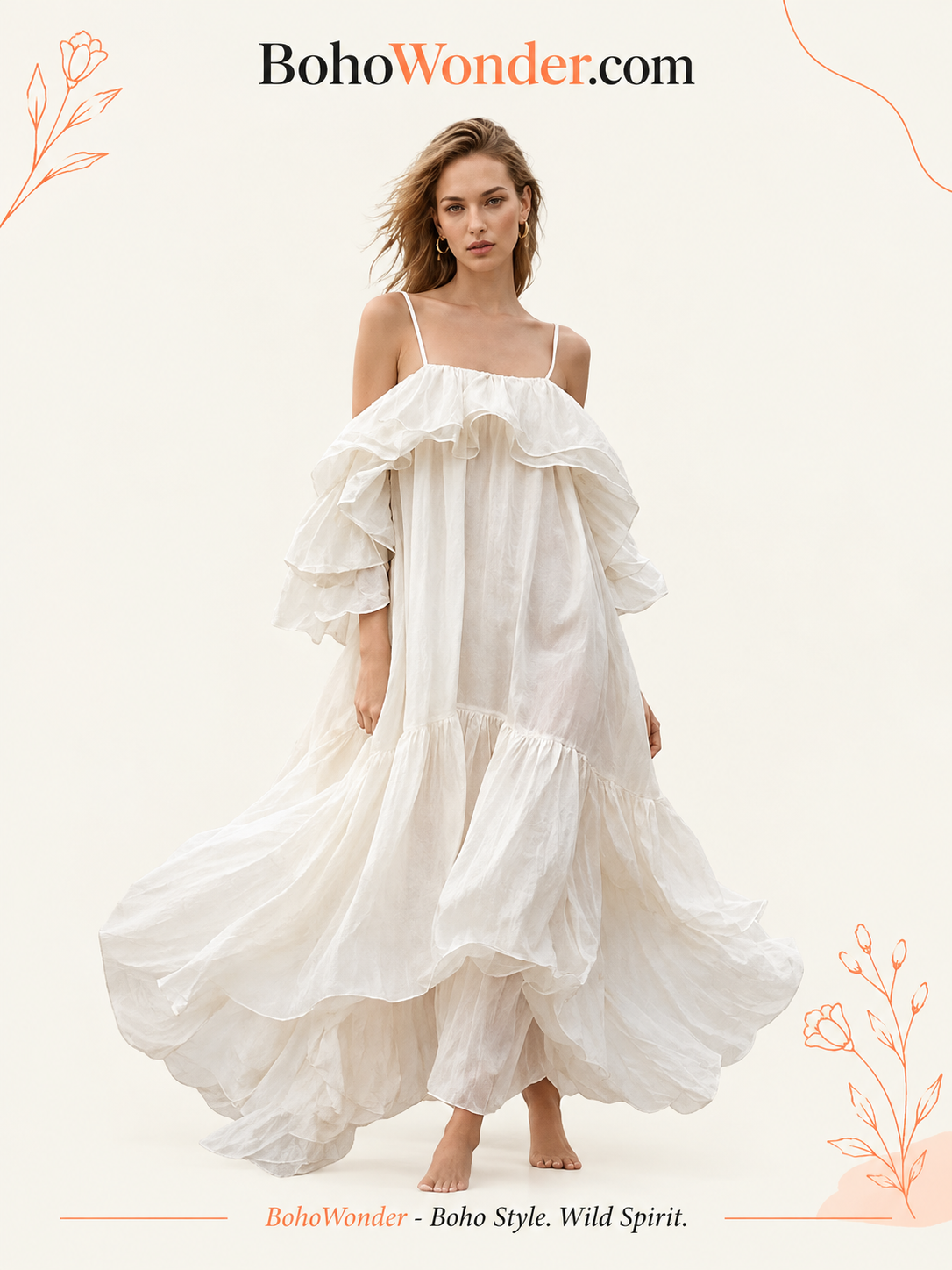
The word bohemian has a long cultural history. In 19th-century Paris, writers, artists and other creative people who lived outside conventional social expectations became associated with the term bohémien. The idea gradually became connected with an unconventional artistic lifestyle and a distinctive approach to clothing.
The relationship between art and clothing was particularly visible in 19th-century Europe. Artists and designers increasingly explored historical references, decorative textiles and less conventional silhouettes. The Arts and Crafts movement also encouraged looser, more natural-looking forms as an alternative to restrictive fashions.
Bohemian style took another significant turn during the 1960s. The counterculture embraced flowing clothing, folkloric references, vintage pieces and an eclectic approach to dressing. Vogue’s historical coverage identifies this period as an important stage in the development of modern boho, with hippie and folkloric aesthetics entering mainstream fashion alongside broader social and cultural changes.
During the 1970s, designers translated elements of this free-spirited aesthetic into more polished fashion. Designers including Thea Porter, Yves Saint Laurent and Karl Lagerfeld for Chloé helped establish a more glamorous interpretation of bohemian dressing, combining flowing shapes with romantic fabrics and elaborate details.
The aesthetic returned to the fashion spotlight again in the 1990s and early 2000s. Later interpretations associated with designers, celebrities and festival culture helped establish the term boho chic, bringing together vintage-inspired pieces, relaxed layers, suede, boots, flowing skirts and statement accessories.
What Are the Key Elements of Modern Boho Style?
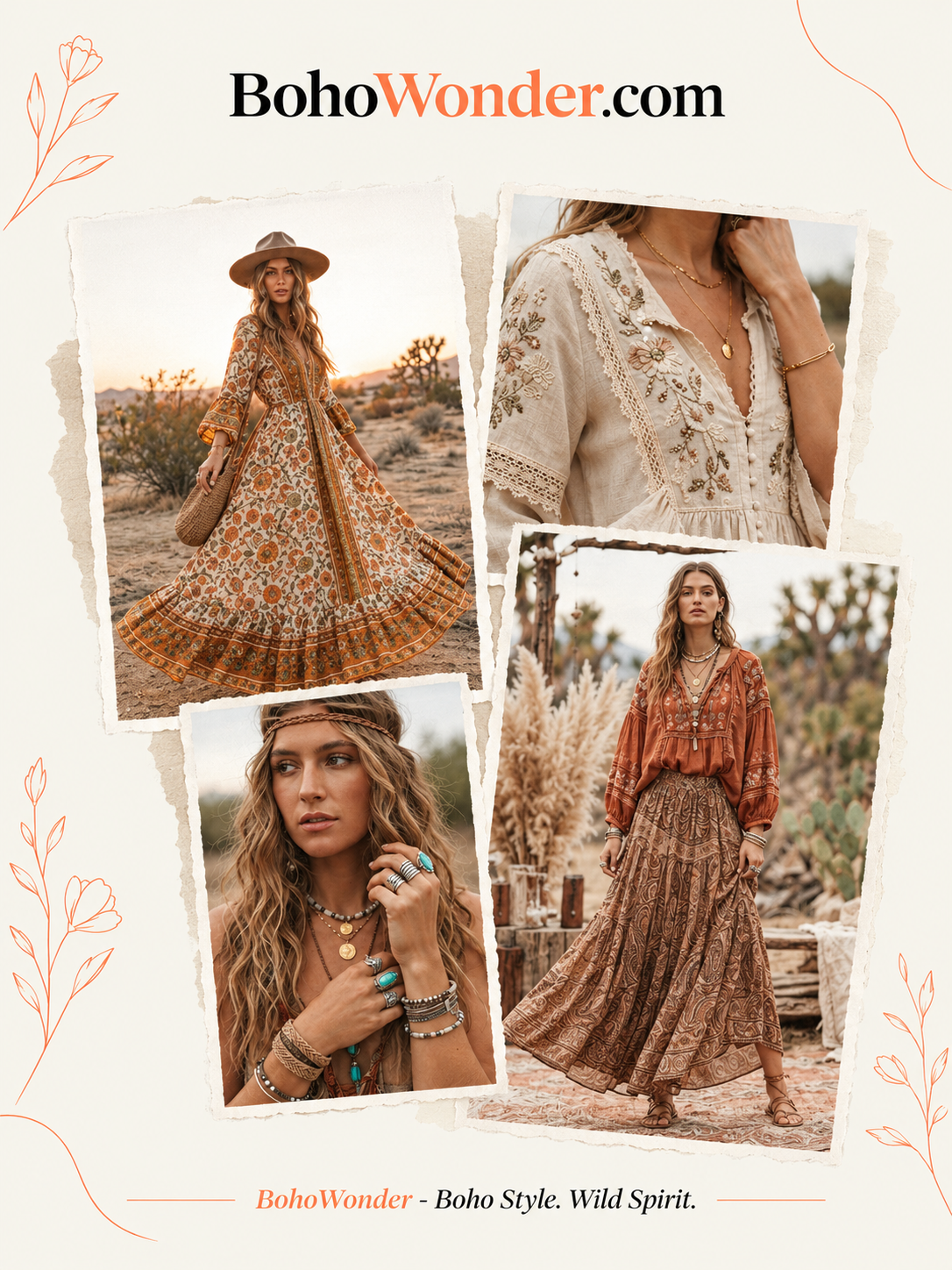
Modern boho style is recognisable not because it follows a fixed checklist, but because several visual elements work together to create a relaxed yet considered appearance. Flowing shapes bring movement, natural-looking textures add depth, earthy colours create warmth, and decorative details give even simple pieces a more individual character.
The most interesting bohemian outfits usually do not rely on every element at once. Instead, they create a sense of balance. A romantic maxi dress may need little more than simple sandals and a textured bag, while a plain blouse and denim combination can support more noticeable jewellery or a statement outer layer. Understanding how these elements interact makes it easier to create a boho wardrobe that feels personal rather than overly styled.
Flowing Silhouettes
Movement is one of the defining qualities of bohemian clothing. Long hemlines, relaxed sleeves, tiered skirts and softly draped fabrics create an effortless shape that moves naturally as you walk. This is why the boho maxi dress remains such a recognisable part of the aesthetic, particularly when it features details such as tiers, gathered sections, flowing sleeves or a softly defined waist.
Flow does not necessarily mean oversized. In contemporary styling, the silhouette is usually more intentional. A relaxed garment can be balanced with a cleaner or more structured piece elsewhere in the outfit. A flowing maxi dress, for example, can be paired with a cropped denim jacket that visually defines the upper half of the look. Wide-leg trousers can work with a more streamlined blouse, while a voluminous skirt can be paired with a simpler top.
This balance allows the clothing to retain the relaxed character associated with bohemian style without making the entire outfit feel shapeless.
Some silhouettes that naturally lend themselves to modern boho dressing include:
- Flowing maxi and midi dresses
- Tiered skirts
- Wide-leg trousers
- Relaxed blouses
- Peasant-style tops
- Oversized cardigans
- Open-front layers
- Draped kimonos
- Relaxed jumpsuits
The best choice depends on how you normally dress. If your wardrobe already contains fitted basics, introducing one flowing piece can immediately soften the overall look. If you already favour loose clothing, adding a more defined waist or structured layer can create useful contrast.
Natural and Tactile Textures
Texture is what gives many bohemian outfits their depth. Even when the colour palette is simple, different surfaces can make an outfit feel considered and expressive. Linen, cotton, lace, crochet, denim, suede and leather-inspired finishes are commonly associated with boho wardrobes. Decorative techniques such as embroidery, fringe and woven details can create another layer of visual interest.
The trick is not to combine every texture available. Too many competing surfaces can make an outfit feel busy. Instead, think about contrast. A flowing dress with a woven bag creates a subtle textural relationship. A romantic lace blouse can be grounded by denim. A simple cotton outfit can take on more character through a crochet layer or textured accessories.
You can also use texture to change the mood of an outfit. Soft lace and delicate crochet tend to create a more romantic impression, while denim, suede-inspired finishes and structured leather-style accessories can give the same bohemian foundation a more grounded feel.
Earthy Colours and Soft Prints
Colour plays an important role in the visual language of bohemian fashion. Warm cream, tan, camel, terracotta, olive, ochre, rust and brown are frequently used because they create a naturally grounded palette. These colours are especially easy to combine. A cream blouse can work with brown trousers, olive outerwear or faded denim. A terracotta skirt can be paired with warm neutrals, while an olive layer can add depth to an otherwise light outfit.
Floral and softly faded prints are another important part of the aesthetic. Vintage-inspired florals, botanical patterns and muted prints can bring personality to flowing silhouettes without making the outfit feel overly formal.
That said, boho fashion does not require neutral colours.
A rich blue maxi dress, deep burgundy blouse or colourful floral skirt can still feel distinctly bohemian when the silhouette and styling support it. Colour should therefore be treated as a styling choice rather than a strict definition. One useful approach is to combine one stronger colour with quieter surrounding pieces. A statement floral dress, for instance, can become the focus of the outfit when paired with neutral sandals and a simple bag.
Romantic and Artisanal Details
Small details often make the difference between a basic relaxed garment and one with a distinctly bohemian character. Embroidery, lace panels, ruffles, tassel ties, fringe, crochet sections, decorative stitching and textured trims can all add personality. These details work particularly well when the overall silhouette remains relatively simple.
A blouse with embroidered sleeves can become the focal point of an everyday denim outfit. A tiered dress may need very little additional decoration because its construction already creates movement. A simple skirt can become more expressive through a textured hem or decorative trim.
The most wearable approach is to let one or two details lead the outfit. If the dress already features a bold floral print, ruffles and lace, you may want to keep the jewellery understated. If the clothing is relatively simple, a distinctive necklace, woven bag or fringed layer can provide the detail that gives the outfit its bohemian character.
Layering
Layering is one of the most useful techniques in a modern boho wardrobe because it allows you to change the mood of an outfit without replacing the foundation piece. A flowing dress can be worn with a denim jacket for an everyday look, while the same dress can take on a more romantic feel with delicate jewellery and a lightweight textured layer. A simple blouse can be worn beneath a vest, while a relaxed cardigan can add depth to an otherwise minimal outfit.
Good layering is less about adding more clothing and more about creating relationships between pieces. Consider differences in length, texture and structure. A cropped jacket can visually define a long dress. A longer open-front layer can create another vertical line over a simple outfit. A textured vest can give a plain blouse more dimension. The layers also do not need to match perfectly. In fact, slight differences in colour and texture often make a bohemian outfit feel more natural and individual.
How to Build a Modern Boho Wardrobe
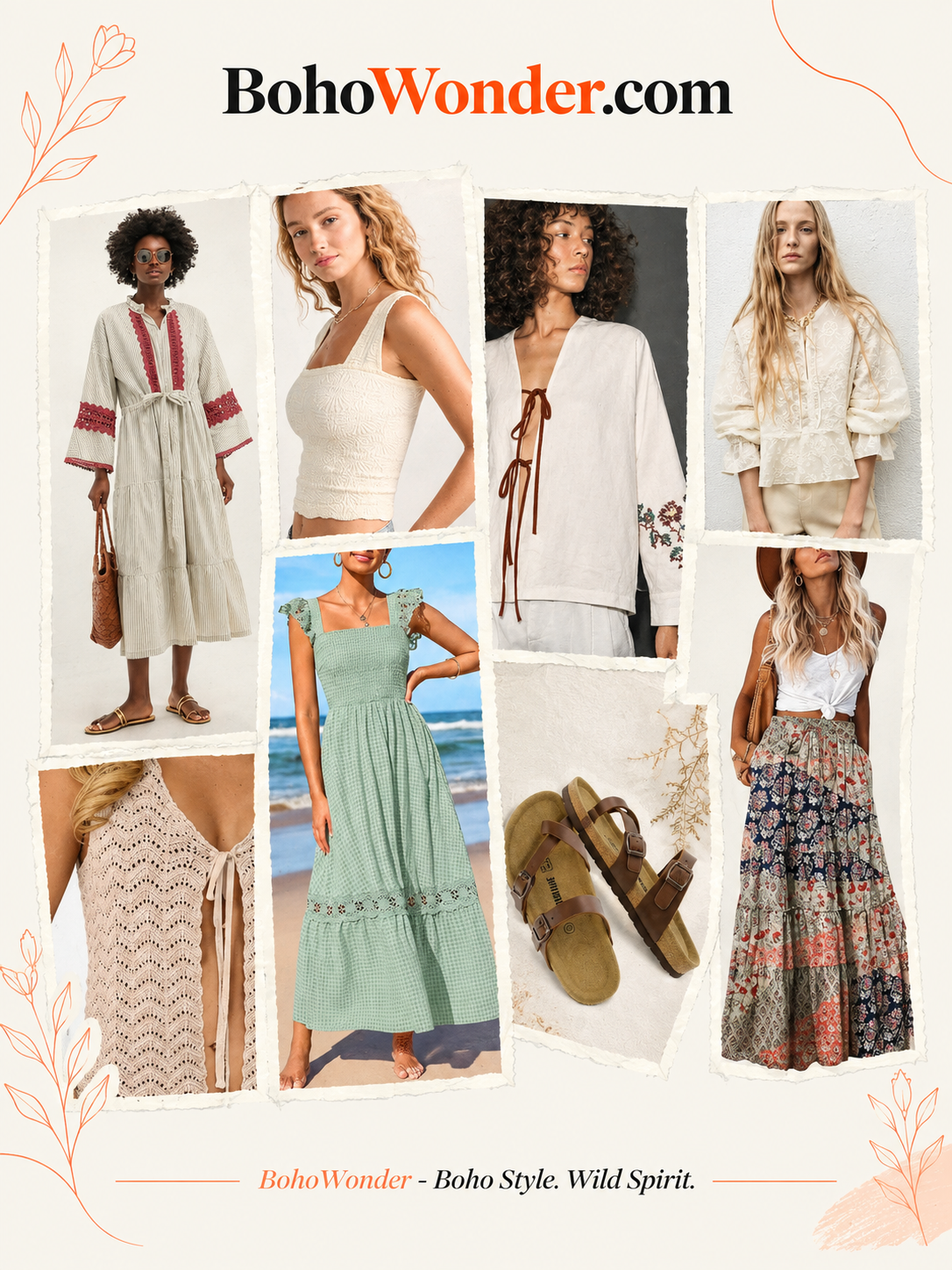
Creating a boho wardrobe does not mean replacing everything you already own. In many cases, the most wearable approach is to combine a few expressive pieces with everyday staples.
Start with garments that can be styled in several ways, then gradually introduce stronger colours, textures and accessories as your personal interpretation of boho develops. This creates a wardrobe that feels connected rather than a collection of pieces that only work together as complete outfits.
Start With a Statement Dress or Skirt
A flowing dress or skirt can provide an immediate foundation for a bohemian outfit. A floral maxi dress, tiered skirt or relaxed midi silhouette already brings movement to the look, allowing the rest of the outfit to remain relatively simple. The styling can then change according to the occasion.
For an easy daytime outfit, pair a flowing dress with flat sandals and a woven bag. Add a denim jacket when you want more structure. For cooler weather, ankle boots and a relaxed cardigan can create a different mood without changing the dress itself. A skirt offers even more flexibility because you can change the top completely. A romantic blouse can create a feminine combination, while a simple fitted top can make the skirt the main focus. A structured shirt or jacket can give the same silhouette a more contemporary feel.
If you are building your wardrobe around dresses, Boho Dresses can provide a useful starting point for exploring different lengths, silhouettes and levels of detail.
Add a Textured Layer
A textured layer can completely change a simple outfit. This is particularly useful if you want your wardrobe to feel bohemian without buying highly decorative pieces. A vest, cardigan, denim jacket, relaxed blazer or open-front layer can add another dimension to an otherwise straightforward combination. Imagine a plain blouse and straight-leg denim. The outfit is already wearable, but adding a textured vest or relaxed jacket gives it a stronger visual identity.
The same principle works with dresses. A simple flowing dress can feel more casual with denim, more relaxed with a soft cardigan, or more distinctive with a textured outer layer. When choosing layers, pay attention to proportion. A shorter jacket can help define a long flowing silhouette, while a longer layer can create a softer, more relaxed effect.
Use Accessories to Create Personality
Accessories are one of the easiest ways to introduce bohemian character without changing your entire wardrobe. Layered necklaces can add depth around a simple neckline. Stacked bracelets and rings can create a more collected look, while woven bags, wide-brim hats and textured footwear can reinforce the relaxed mood.
Western-influenced accessories can also work within certain interpretations of modern boho. Think of details such as turquoise-inspired jewellery, leather-style belts, fringe or Western-inspired boots. These are options rather than requirements. The amount of jewellery should reflect the clothing.
A highly detailed floral dress may look more balanced with simple earrings and one necklace. A plain cream blouse and denim outfit can handle several layers of jewellery because the clothing provides a quieter background. Accessories are most effective when they feel intentional rather than added simply because they are associated with boho style.
Mix Vintage-Inspired and Contemporary Pieces
Modern boho becomes particularly interesting when vintage-inspired details meet contemporary wardrobe staples. A floral dress with a vintage mood can feel current when paired with clean sandals or a structured bag. Relaxed denim can balance a romantic blouse. A flowing skirt can look more contemporary with a crisp shirt or simple jacket. This contrast is useful because it prevents the outfit from becoming a recreation of a particular decade.
You can borrow the softness of 1970s-inspired silhouettes without wearing a complete head-to-toe retro outfit. You can incorporate a vintage-looking floral print while keeping the rest of the outfit modern. The result feels more natural because the clothing reflects the present rather than trying to reproduce the past exactly.
The Golden Rule: Balance the Volume
One of the most useful principles for modern boho dressing is learning how to balance volume. Bohemian clothing often includes flowing shapes, oversized layers and generous silhouettes. These pieces create the movement that makes the style appealing, but wearing several very voluminous pieces together can sometimes make the outfit feel visually heavy.
Instead, consider where the volume is concentrated. If your top is loose and billowing, a straighter pair of trousers or cleaner denim can provide contrast. If your skirt has substantial volume, a simpler or more defined top can create a clearer silhouette.
The same principle applies to dresses. A dramatic maxi dress does not necessarily need an equally dramatic jacket. A shorter structured layer can provide enough contrast to make the shape feel intentional. You can also create balance through the waist. A defined waistband, belt or naturally shaped silhouette can provide structure while still allowing the skirt or dress to flow.
Importantly, this is not a rule about making the body look smaller or hiding particular areas. It is simply about visual proportion and how different garment shapes interact.
Volume is only one part of the equation. Texture deserves the same consideration. If a dress already includes lace, ruffles, a bold print and decorative sleeves, adding several highly textured accessories may make the outfit feel crowded.
On the other hand, a simple monochrome outfit can benefit from a textured bag, layered necklace or fringed jacket. Think about the outfit as a whole rather than judging each item individually. The more visual information one piece provides, the simpler the supporting pieces can be.
How to Style Boho Fashion for Different Occasions
One of the strengths of modern boho fashion is its flexibility. The same design language can be adapted for everyday dressing, holidays, outdoor events, brunch and evening occasions simply by changing the combination of pieces and accessories.
The goal is not to make every occasion look equally bohemian. Instead, adjust the level of texture, decoration, structure and formality to suit where you are going.
Everyday Boho Outfits
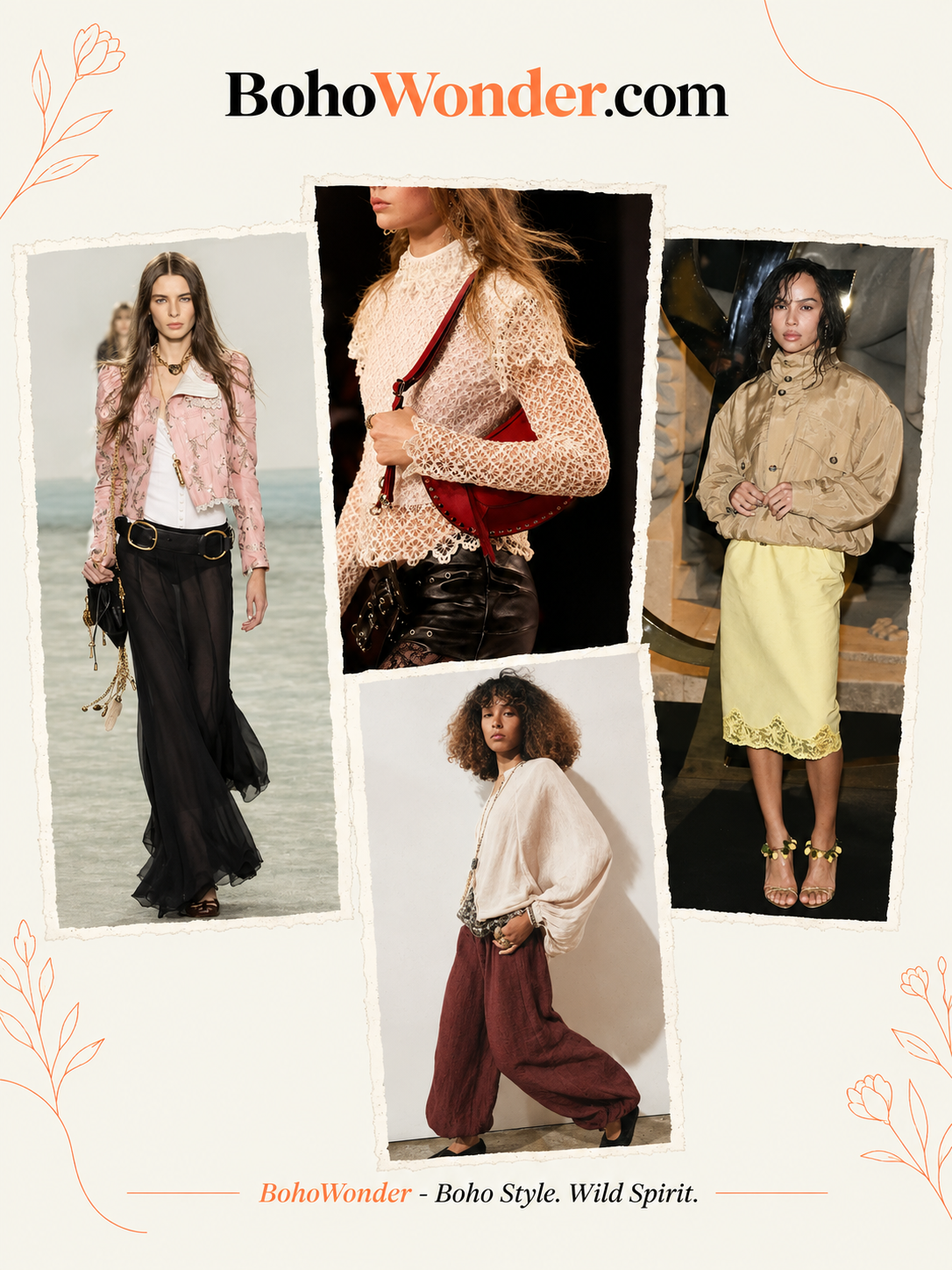
For everyday dressing, start with pieces that are comfortable and easy to combine with wardrobe staples. A relaxed blouse with straight-leg denim is one of the simplest formulas. Add a woven bag or layered necklace when you want a stronger bohemian influence. A flowing midi dress can also work well for everyday wear. Pair it with flat sandals or simple footwear and keep the accessories understated.
For cooler weather, a cardigan, denim jacket or relaxed outer layer can add warmth and visual depth. The key to everyday boho is restraint. You do not need a statement necklace, wide-brim hat, fringe and printed dress all at once. Often, one expressive garment and one or two supporting details are enough.
Boho Beach and Holiday Looks
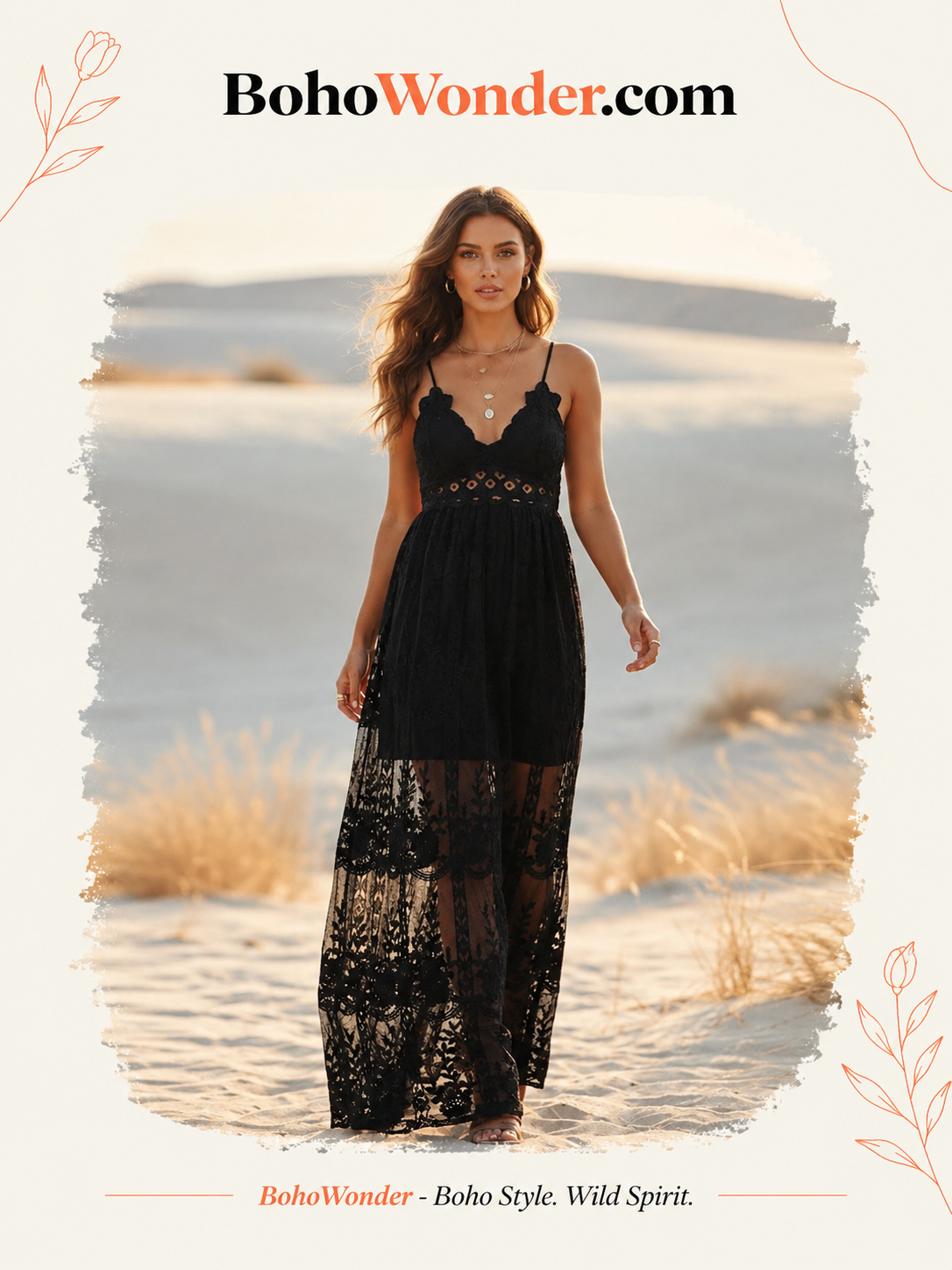
Bohemian fashion has a natural relationship with holiday dressing because relaxed silhouettes and expressive details work well in warm-weather wardrobes. A flowing maxi dress can move easily from a daytime setting to an informal evening plan. A relaxed skirt can be paired with a simple top and woven accessories. An open-front layer can provide another styling option when temperatures change.
For a coastal outfit, keep the accessories uncomplicated. Flat sandals, a woven bag and simple jewellery can complement a flowing dress without competing with it. When planning a holiday wardrobe, versatility is particularly valuable. Consider whether one dress can be worn with different shoes and accessories rather than packing a completely different outfit for every plan.
Explore Boho Vacation & Resort Dresses when you want pieces that fit naturally into a relaxed holiday wardrobe.
Boho Festival and Outdoor Looks
Festival style is one of the most visible expressions of bohemian fashion, but modern festival dressing does not need to rely on excessive decoration. A floral mini dress, flowing maxi skirt, relaxed blouse or textured top can provide the foundation.
From there, choose accessories according to the outfit. Boots can give a dress a more grounded feel, while a crossbody bag offers practical functionality. A few pieces of jewellery can add personality without overwhelming the clothing. Fringe, crochet, denim and Western-inspired details can also work particularly well for outdoor events. The important thing is to consider the entire setting. Footwear, bag choice and layering can be just as important as the dress itself.
Boho Looks for Brunch and Casual Gatherings
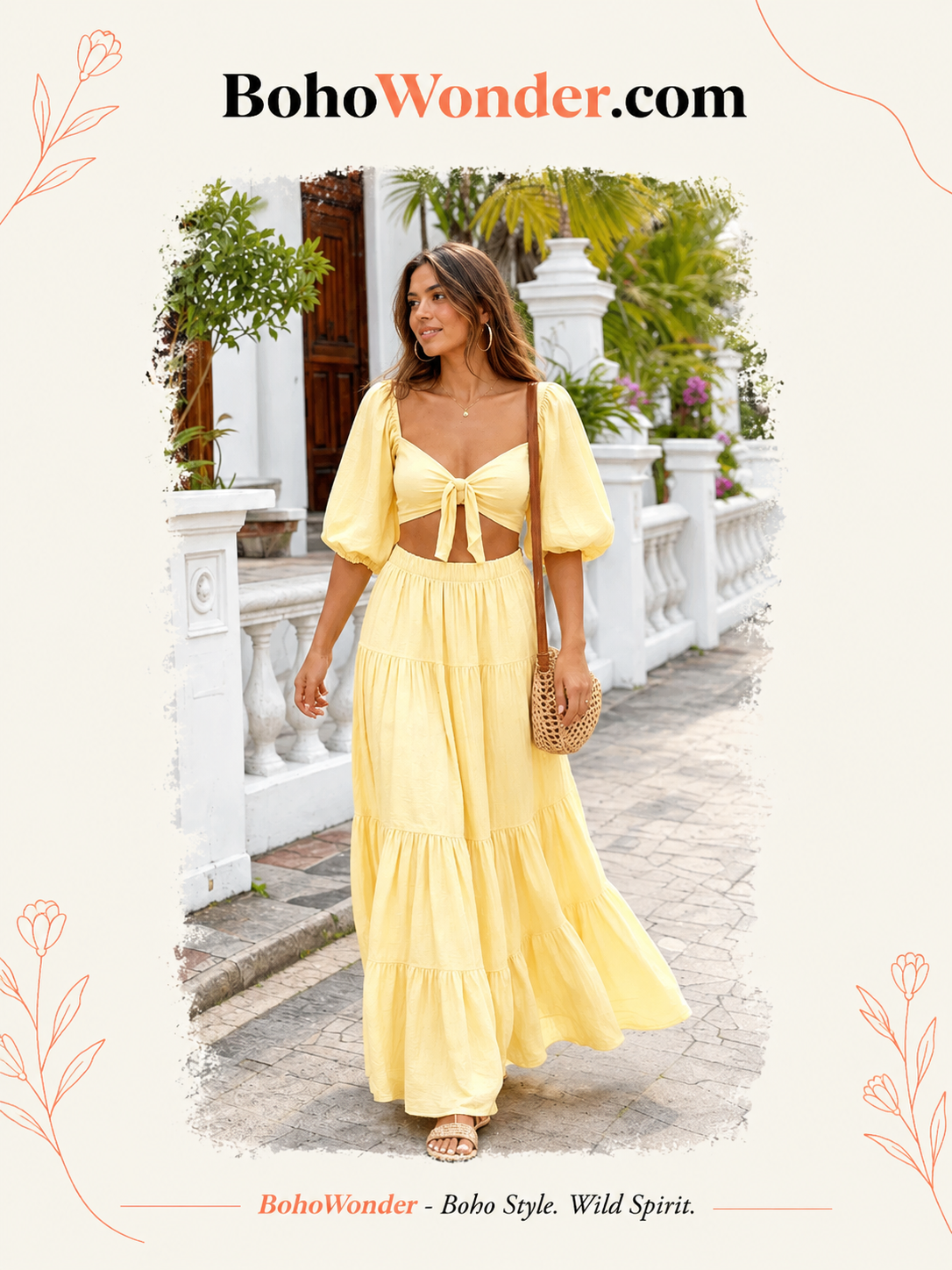
Brunch and casual social occasions are ideal for a softer interpretation of boho style. A floral midi or maxi dress with simple sandals and delicate jewellery can create a feminine look without becoming overly formal.
If you prefer separates, try a relaxed blouse with wide-leg trousers and a structured bag. The flowing trousers create movement, while the cleaner accessories keep the outfit polished. For a more understated approach, pair a romantic top with denim and let one decorative element, such as embroidery or lace, provide the bohemian detail.
Boho Evening Outfits
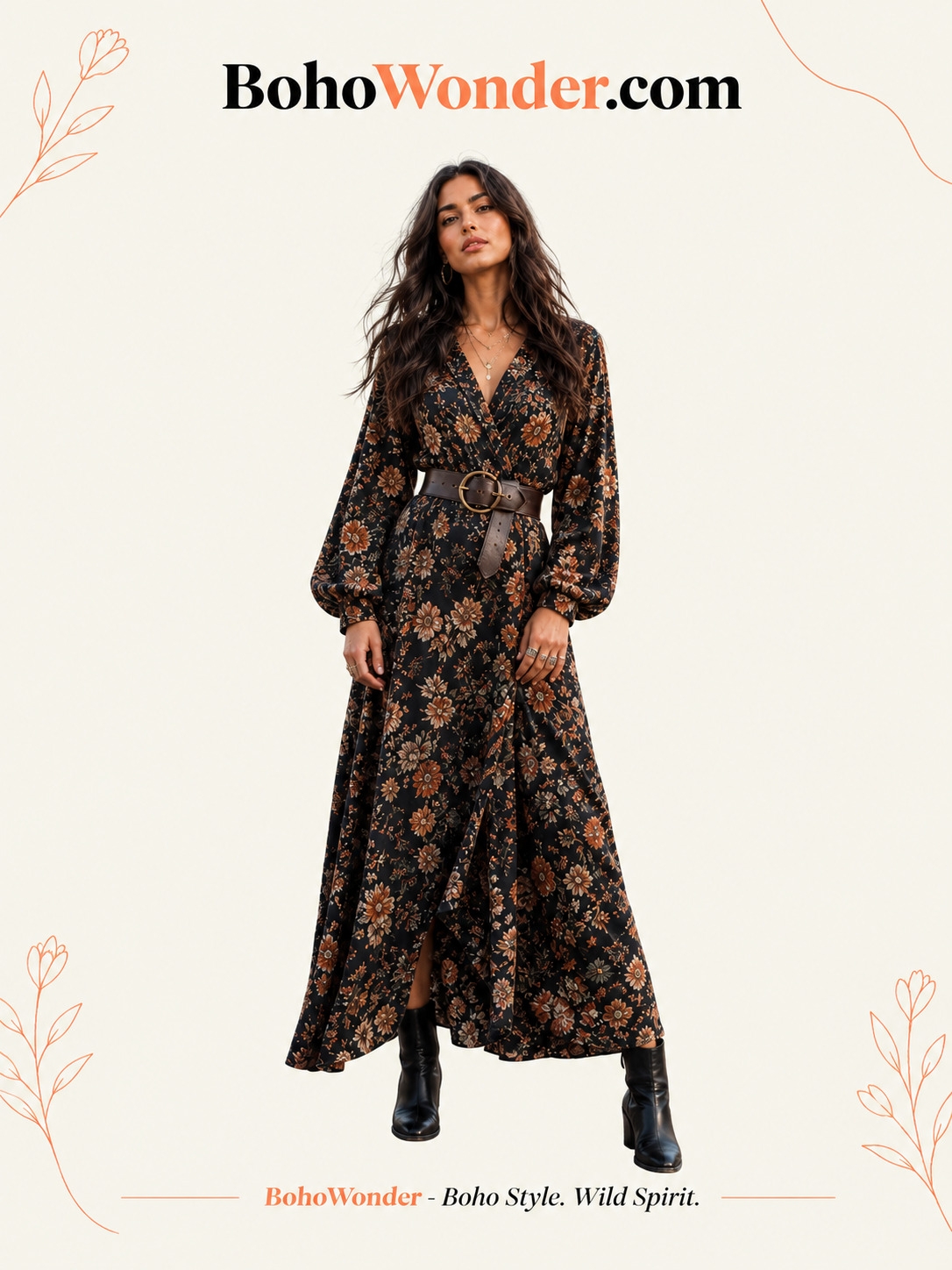
Boho evening dressing can be elegant without losing the relaxed quality that makes the aesthetic distinctive. Look for flowing maxi silhouettes, deeper colours, refined lace details, subtle embellishment or graceful draping.
Instead of adding multiple statement accessories, choose one or two pieces that complement the garment. A long necklace can work with a simple neckline, while statement earrings may be enough when the dress already contains decorative details. Footwear can also change the mood. Simple heels can make a flowing dress feel more polished, while ankle boots can create a more relaxed interpretation. The result should feel intentional rather than heavily accessorised.
How to Make Boho Style Feel Modern
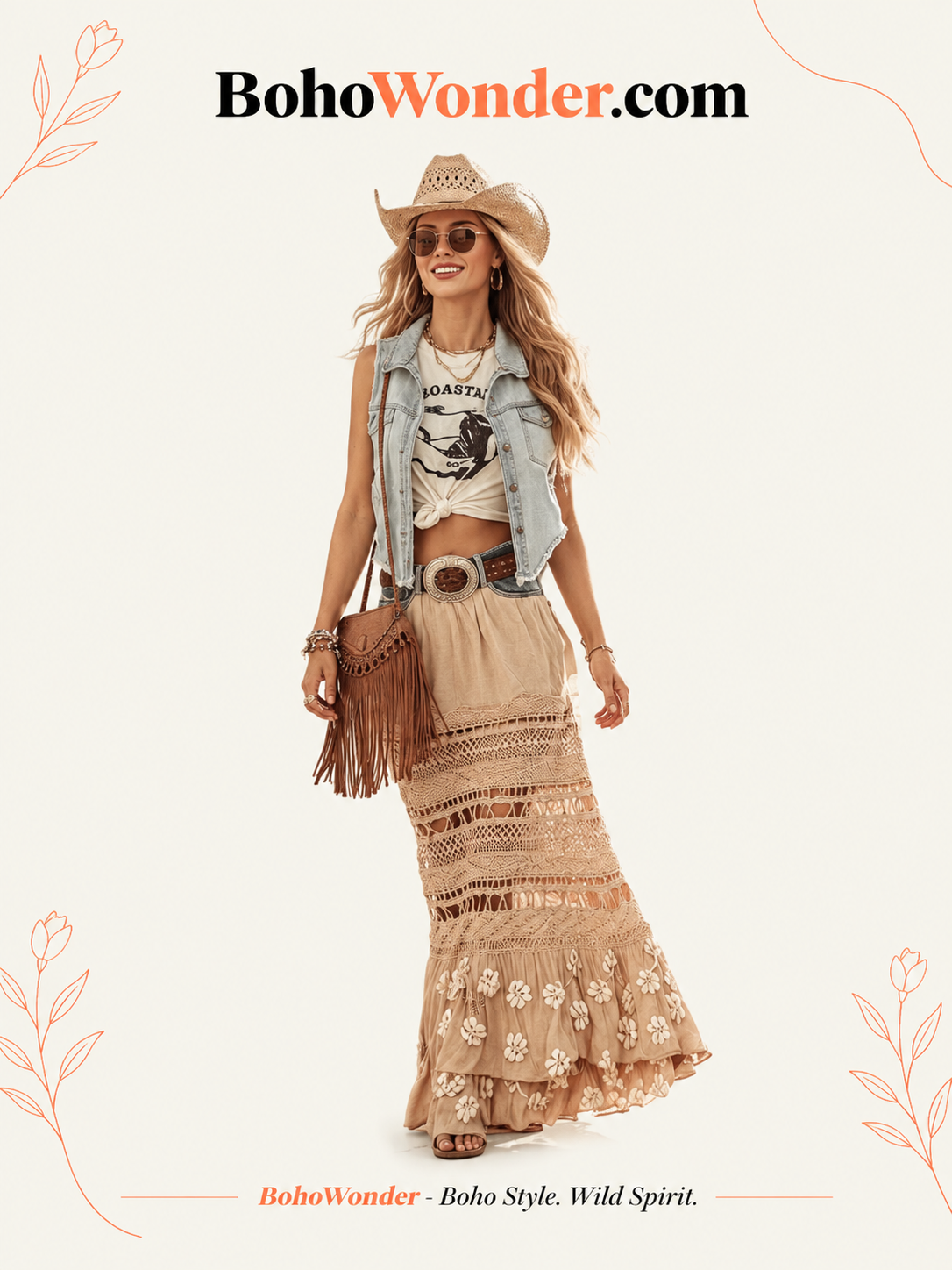
The easiest way to make boho fashion feel contemporary is to avoid treating it as a complete costume. Instead, take individual bohemian elements and combine them with pieces that already feel natural in a current wardrobe.
A flowing floral dress can be paired with a clean-lined denim or tailored jacket. A crochet top can work with straight-leg or relaxed denim, while a romantic maxi skirt can feel more modern when balanced with a simple fitted knit or structured shirt. The contrast between relaxed and structured pieces keeps the outfit from looking overly themed.
A few principles can make this approach easier:
- Choose one dominant boho element. Let a flowing dress, floral print, crochet texture or statement accessory become the main focus instead of combining several bold elements at once.
- Introduce structure. A denim jacket, tailored layer, defined waist or structured bag can give a relaxed outfit a cleaner and more polished shape.
- Keep proportions intentional. If one piece has significant volume, balance it with a more streamlined top, fitted layer or simpler footwear.
- Mix textures selectively. Lace with denim, crochet with cotton, or suede-inspired details with simple fabrics can add depth without making the outfit feel visually busy.
- Use accessories with purpose. A woven bag, layered necklace or statement earrings can reinforce the boho mood, but you do not need to use every traditional bohemian accessory in one outfit.
- Keep your existing style. Boho can blend easily with minimalist, classic, romantic, Western or casual wardrobes. You can introduce one or two elements without changing your entire aesthetic.
The goal is to create your wardrobe with a bohemian influence, rather than an outfit that looks like a costume inspired by a particular decade. This makes boho style easier to wear regularly while still keeping its relaxed, expressive character.
What to Check When Shopping for Boho Clothing
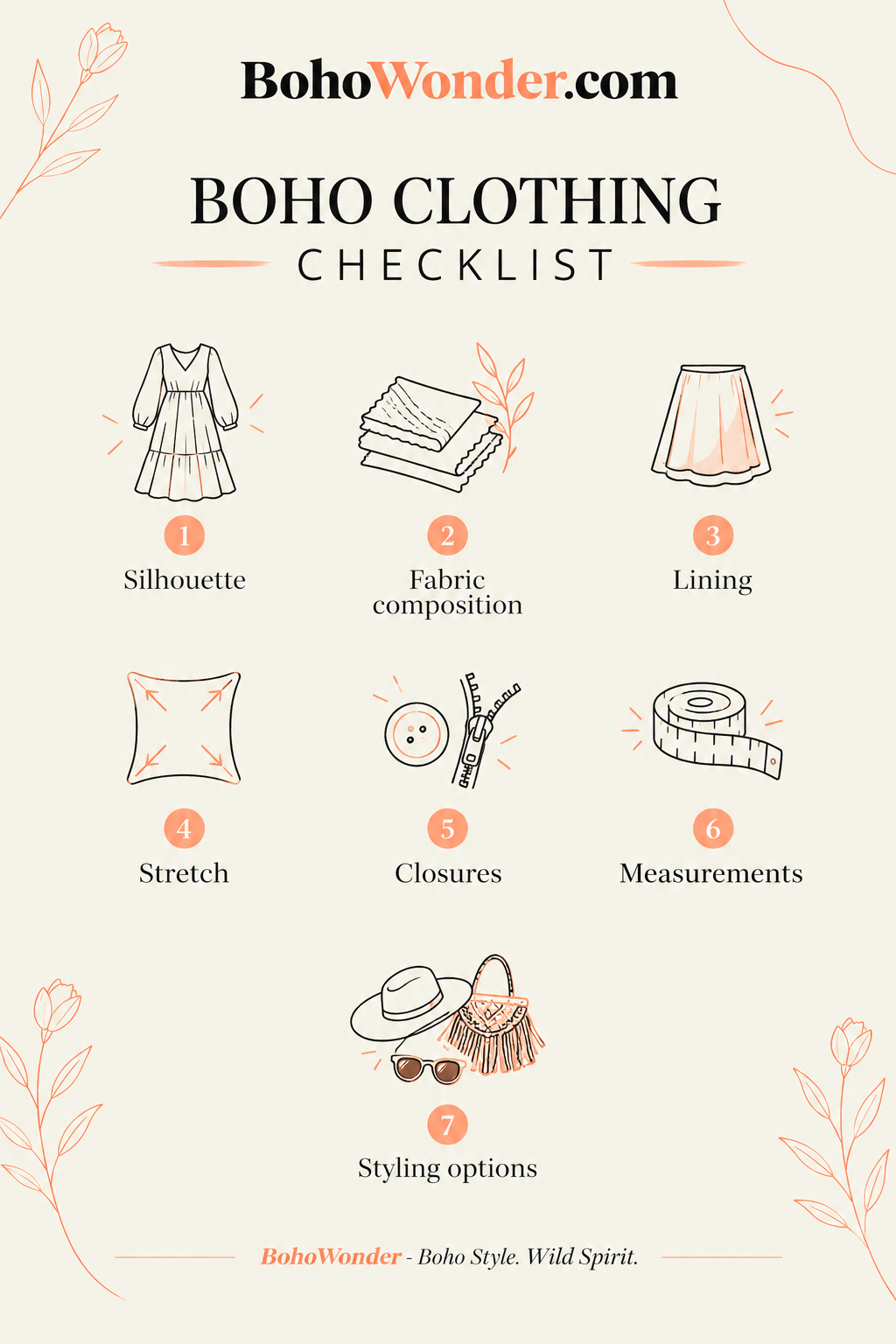
Finding a beautiful boho piece is only the first step toward building a useful wardrobe. Before buying, consider the garment’s silhouette, fabric, construction and styling potential. This is especially important when shopping online, where photographs can show the overall look but cannot fully communicate how a garment feels, moves or fits.
Check the Silhouette
Start by looking at the overall shape of the garment. Where does it have volume? Is it relaxed throughout, or does it have a defined waist with a flowing skirt? Are the sleeves fitted, loose or gathered? Does the hem fall above the knee, around the calf or near the ankle?
These details affect how the piece works with other clothing. A flowing maxi skirt may pair naturally with a simpler top, while a relaxed blouse can work well with straight-leg trousers or fitted denim. A voluminous dress may already provide enough movement and detail without requiring a heavily layered outer piece. Understanding the silhouette also helps you decide whether the garment fits your existing wardrobe rather than simply looking appealing in a product photograph.
Consider Fabric and Construction
Pay attention to the product information provided by the retailer. Check the listed fibre composition, care instructions and construction details. Depending on the garment, information about lining, stretch, closures, pockets, adjustable straps and fabric weight can help you decide whether the piece will be comfortable and practical for your needs.
Do not assume that two garments with a similar appearance will feel or fit the same way. Fabric composition, weight and construction can significantly affect how a garment drapes, moves and sits on the body. When buying from a US or UK-facing store, use the applicable size chart rather than assuming that a numerical size is automatically interchangeable between the two markets. Comparing garment measurements with your own measurements can also help you choose more confidently.
Think Beyond One Occasion
Try to imagine how you would style the garment in several realistic situations before buying it. Could you wear the dress with sandals for a holiday lunch? Could you add a jacket and boots for a cooler day? Would different jewellery and footwear make it suitable for an evening gathering?
A versatile piece does not need to work for every occasion, but having several practical styling options can make it more valuable in your wardrobe. This is particularly useful with statement clothing. A distinctive floral dress may stand out because of its print, but its long-term usefulness depends on how easily you can style it with pieces you already own. Try to picture at least two or three different outfits before deciding whether the garment is worth adding to your wardrobe.
Common question
Is Boho Fashion Still Relevant?
Bohemian fashion has repeatedly changed rather than disappearing. Its visual language has moved through different historical periods, from 19th-century artistic culture to the counterculture movements of the 1960s and 1970s and later interpretations of boho chic. Its continued appeal comes partly from its flexibility. Flowing silhouettes, floral prints, textured fabrics, relaxed layers and expressive accessories can be adapted to different wardrobes without requiring a complete commitment to one particular aesthetic.
Today, you can wear a single bohemian-inspired piece with contemporary basics or build a much more expressive outfit around several elements. The style therefore works less as a fixed trend and more as a flexible approach to dressing.
What Is the Difference Between Boho and Boho Chic?
Boho is the broader term for a free-spirited, eclectic and relaxed aesthetic, while boho chic generally describes a more polished interpretation of those influences. A traditional boho outfit might combine several flowing layers, vintage-inspired pieces and noticeable accessories. A boho-chic outfit might use one flowing dress, a structured jacket, refined jewellery and contemporary footwear.
There is no strict boundary between the two terms. They often overlap, and the distinction usually describes the overall level of polish and styling rather than a completely different category of clothing.
What Colours Are Considered Boho?
Boho wardrobes are often associated with warm neutrals and earthy shades such as cream, tan, camel, brown, terracotta, olive and ochre. However, these colours are not mandatory. Floral prints, muted jewel tones, dusty pastels and deeper shades can also work beautifully within a bohemian wardrobe. The silhouette, texture and styling often matter more than the exact colour.
If you prefer a colourful wardrobe, there is no reason to limit yourself to beige and brown. A richly coloured floral maxi dress can still have a distinctly bohemian character.
Can Boho Fashion Be Worn Every Day?
Yes. In fact, the relaxed nature of bohemian clothing makes it particularly adaptable to everyday wardrobes.
A simple combination such as a relaxed blouse and denim can introduce the aesthetic without feeling overly styled. A flowing midi dress can be worn with understated footwear and a practical bag. A textured cardigan can bring bohemian character to an otherwise basic outfit.
The easiest starting point is to introduce one or two elements rather than trying to make every part of an outfit distinctly boho.
Is Boho Fashion Only for Festivals?
No. Festivals are simply one of the settings where bohemian styling is particularly visible.
The same elements can work for everyday outfits, holidays, beach days, brunch, casual gatherings and evening occasions. The difference is usually in the level of styling. A festival outfit might include boots, fringe and more noticeable accessories, while an everyday outfit could use the same bohemian influence through a floral dress and simple sandals. This flexibility is one of the reasons boho remains useful beyond festival dressing.
BohoWonder Edit
At BohoWonder, the modern bohemian wardrobe is approached as something you can build around your existing personal style. The focus is on expressive silhouettes, romantic details, flowing shapes and pieces that can move naturally between different parts of everyday life.
A boho dress can be the starting point for a complete outfit because the silhouette already establishes much of the look. From there, simple footwear, a woven bag, jewellery or a structured jacket can shift the mood without requiring an entirely different wardrobe.
For a longer, more flowing silhouette, explore Boho Maxi Dresses. A maxi dress can work as an everyday foundation, a holiday piece or a more dressed-up option depending on the styling. If you prefer a shorter hemline, Boho Mini Dresses bring a playful touch to bohemian dressing. Pair them with simple sandals for daytime looks or boots and layered jewellery when you want a little more definition.
The aim is not to make every outfit look the same. It is to give you pieces that can be interpreted in different ways depending on your plans, your wardrobe and your personal sense of style.
Conclusion
Boho fashion is ultimately about creating a wardrobe that feels expressive without becoming overly complicated. Flowing silhouettes bring movement, tactile fabrics add depth, earthy colours create warmth, and decorative details give simple garments a distinctive personality.
The modern interpretation is especially flexible because you do not have to follow a complete bohemian formula. A floral maxi dress can be styled with contemporary footwear. A romantic blouse can be worn with everyday denim. A textured accessory can transform an otherwise minimal outfit.
The most useful approach is to start with the elements you genuinely enjoy. Choose silhouettes that fit naturally into your wardrobe, introduce texture gradually, use accessories with intention and balance relaxed pieces with a little structure. When boho style is treated as a framework rather than a set of rules, it becomes much easier to make it your own.