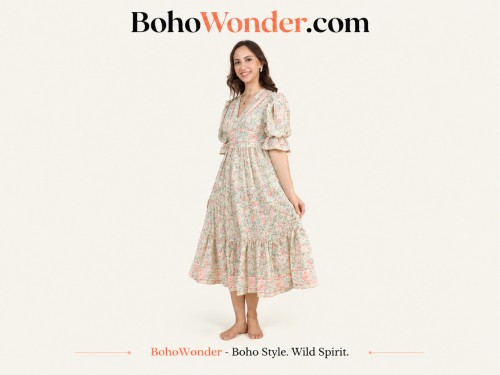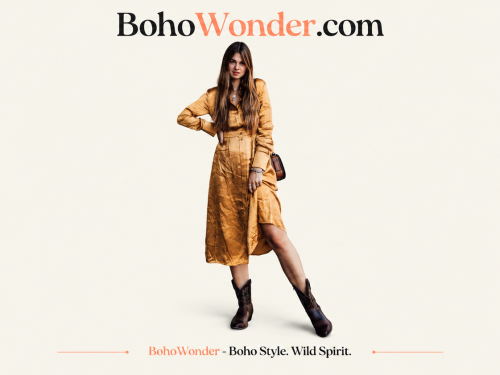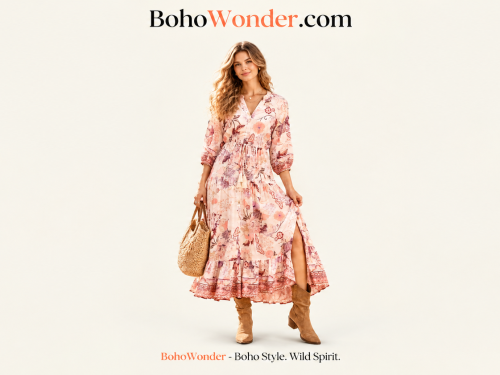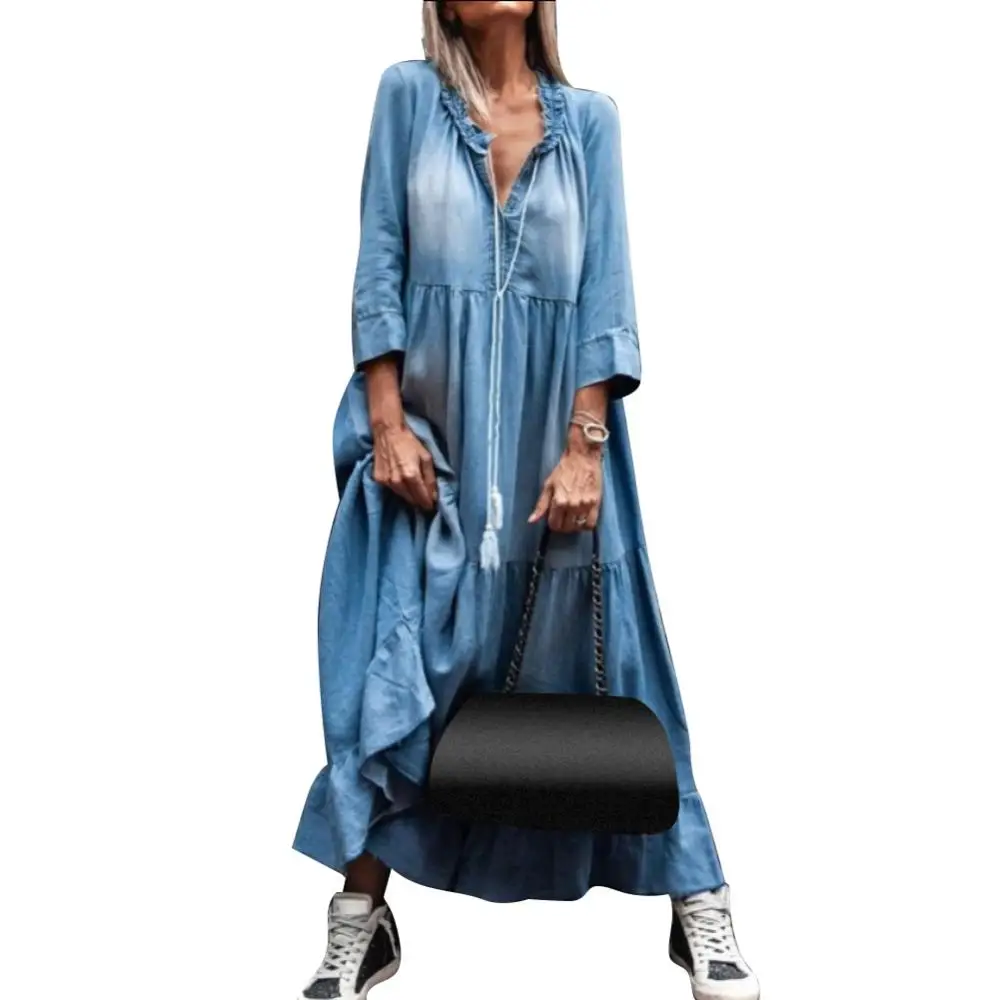
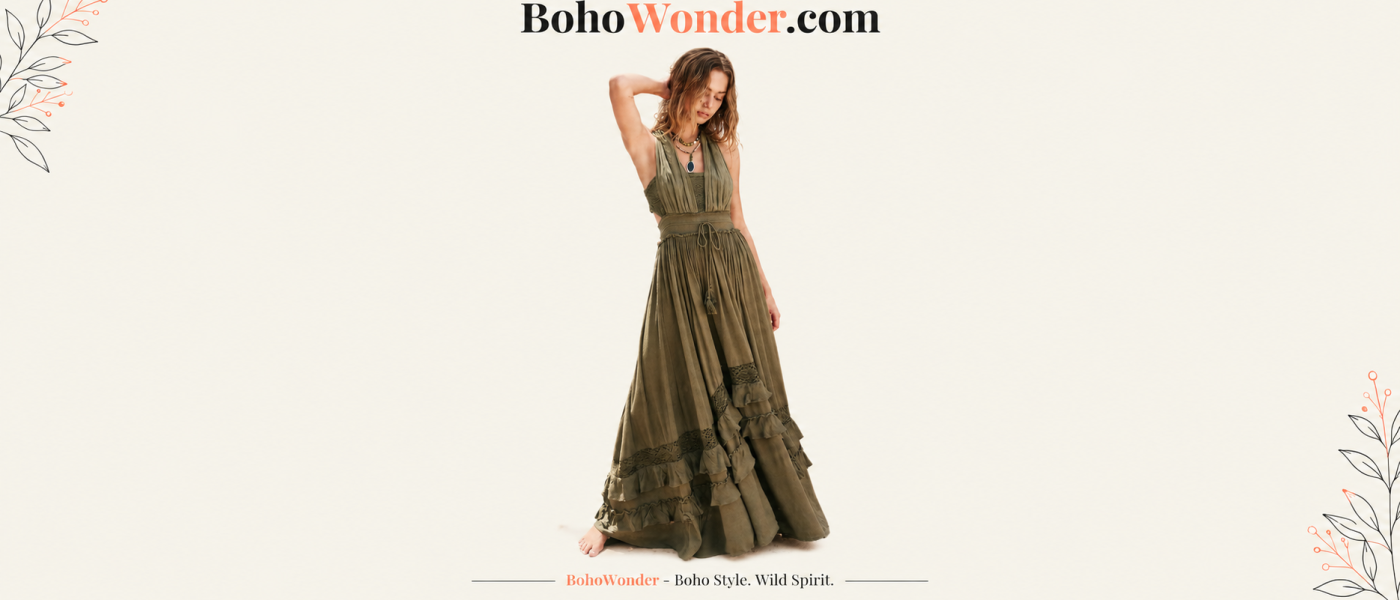
Building a personal boho style is less about following a fixed list of clothing rules and more about understanding which elements of bohemian fashion genuinely feel like you. Flowing silhouettes, natural-looking textures, expressive prints, relaxed layers and distinctive accessories can all create a boho-inspired wardrobe, but you do not need to wear all of them at once.
The most wearable approach is to start with the details you naturally gravitate toward, then build outfits around your existing lifestyle, comfort level and colour preferences. A flowing dress may become your signature piece, while someone else may prefer embroidered tops, wide-leg trousers, layered jewellery or textured accessories. The goal is to create a personal boho style that feels expressive without looking forced.
Quick Answer
To build a personal boho style, start by identifying the bohemian elements you genuinely enjoy, then gradually introduce them into your existing wardrobe. Focus on comfortable silhouettes, tactile fabrics, a colour palette you actually wear and accessories that add personality.
You can begin with one statement piece rather than replacing your entire wardrobe. Try a flowing skirt with a simple fitted top, an embroidered blouse with jeans, or a relaxed dress with understated sandals and layered jewellery. Once you understand which combinations feel natural, you can introduce more textures, prints and layers.
A personal boho style should ultimately feel individual. Some wardrobes may lean romantic and feminine, while others may feel earthy, minimal, artistic or slightly Western. There is no requirement to reproduce a particular version of bohemian fashion.
What Makes a Boho Style Feel Personal?
Boho style is often associated with recognizable visual elements: loose silhouettes, flowing fabrics, layered jewellery, earthy colours, artistic prints, embroidery, crochet, fringe and other tactile details. Yet these elements do not automatically create a personal wardrobe.
Personal style comes from deciding which of those elements belong in your everyday life. For one person, a bohemian wardrobe might revolve around long dresses, woven bags and delicate jewellery. Another person might prefer wide-leg trousers, relaxed shirts, suede details and ankle boots. Someone else may like the romantic side of boho dressing through lace, ruffles and floral prints without wearing many accessories.
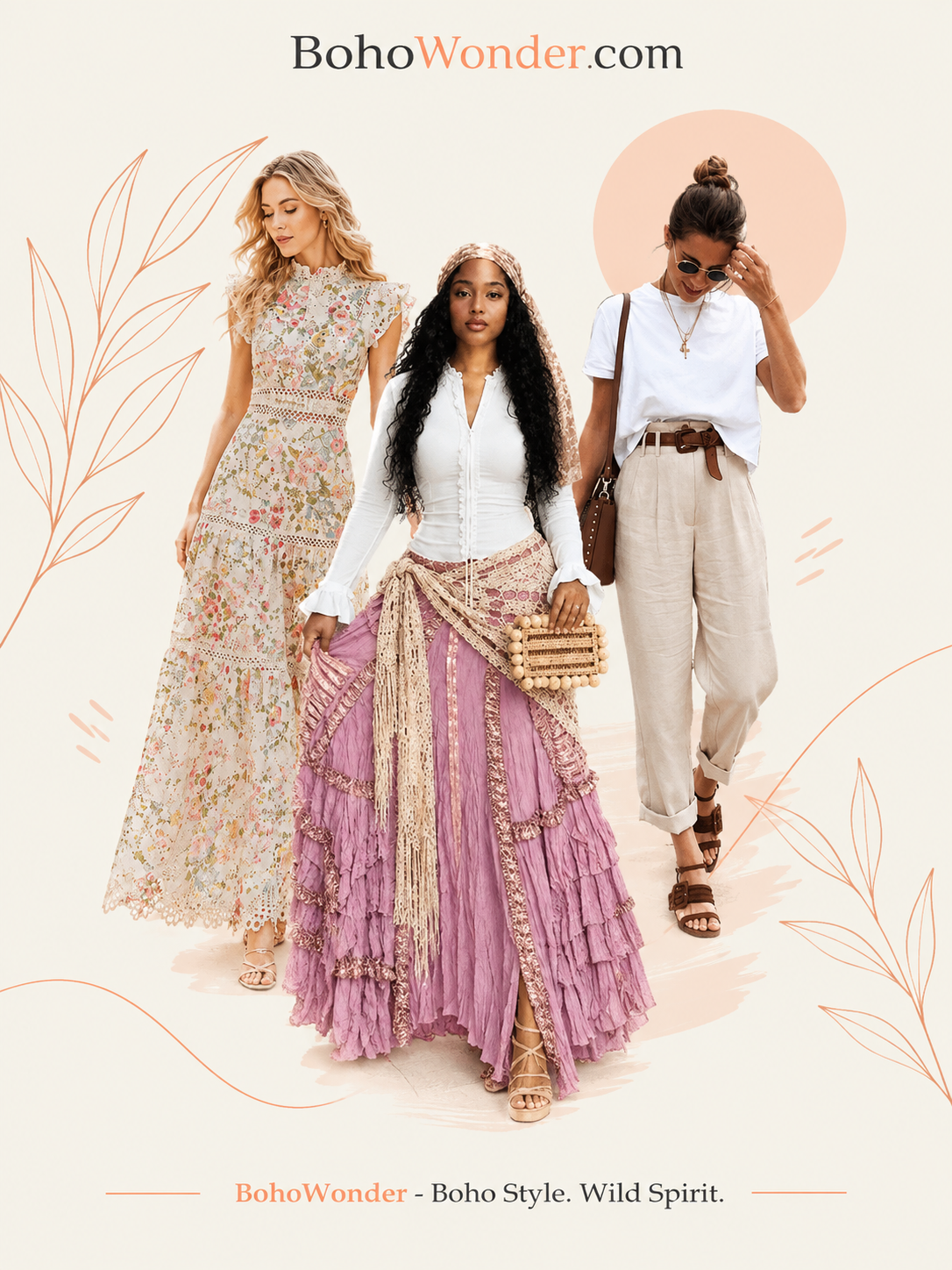
This is why building a personal boho style is better approached as an editing process rather than a shopping checklist. Instead of asking, “What does a boho woman wear?” ask:
- Which silhouettes make me feel comfortable?
- Which colours do I repeatedly choose?
- Do I prefer subtle or noticeable prints?
- Do I enjoy layering?
- Which textures do I find interesting?
- How many accessories feel comfortable for me?
- Does my lifestyle require casual, polished or adaptable outfits?
- Which existing pieces could work with a bohemian aesthetic?
These questions help you create a style that feels connected to your actual wardrobe. Bohemian dressing can also change depending on your mood and surroundings. You might wear a soft floral dress and sandals on a warm day, then combine the same relaxed aesthetic with denim, boots and a textured jacket when the weather changes.
The common thread is not one specific outfit. It is the way different elements are combined to create an easy, expressive appearance. For a deeper understanding of the visual building blocks behind bohemian dressing, you can also explore the elements of bohemian style, particularly how colour, texture, silhouette and accessories work together.
Start With Your Favourite Boho Elements
You do not need to embrace every part of bohemian fashion to develop a recognizable personal style. Starting with one or two elements you already love usually creates a more natural result.
Think of boho style as a collection of ingredients rather than a uniform recipe.
If You Love Flowing Shapes
Flowing silhouettes are one of the easiest starting points for a bohemian wardrobe. Maxi dresses, tiered skirts, wide-leg trousers, palazzo pants and swing-style tops can all create movement without requiring elaborate styling. Their relaxed shapes also make them useful foundations for everyday outfits.
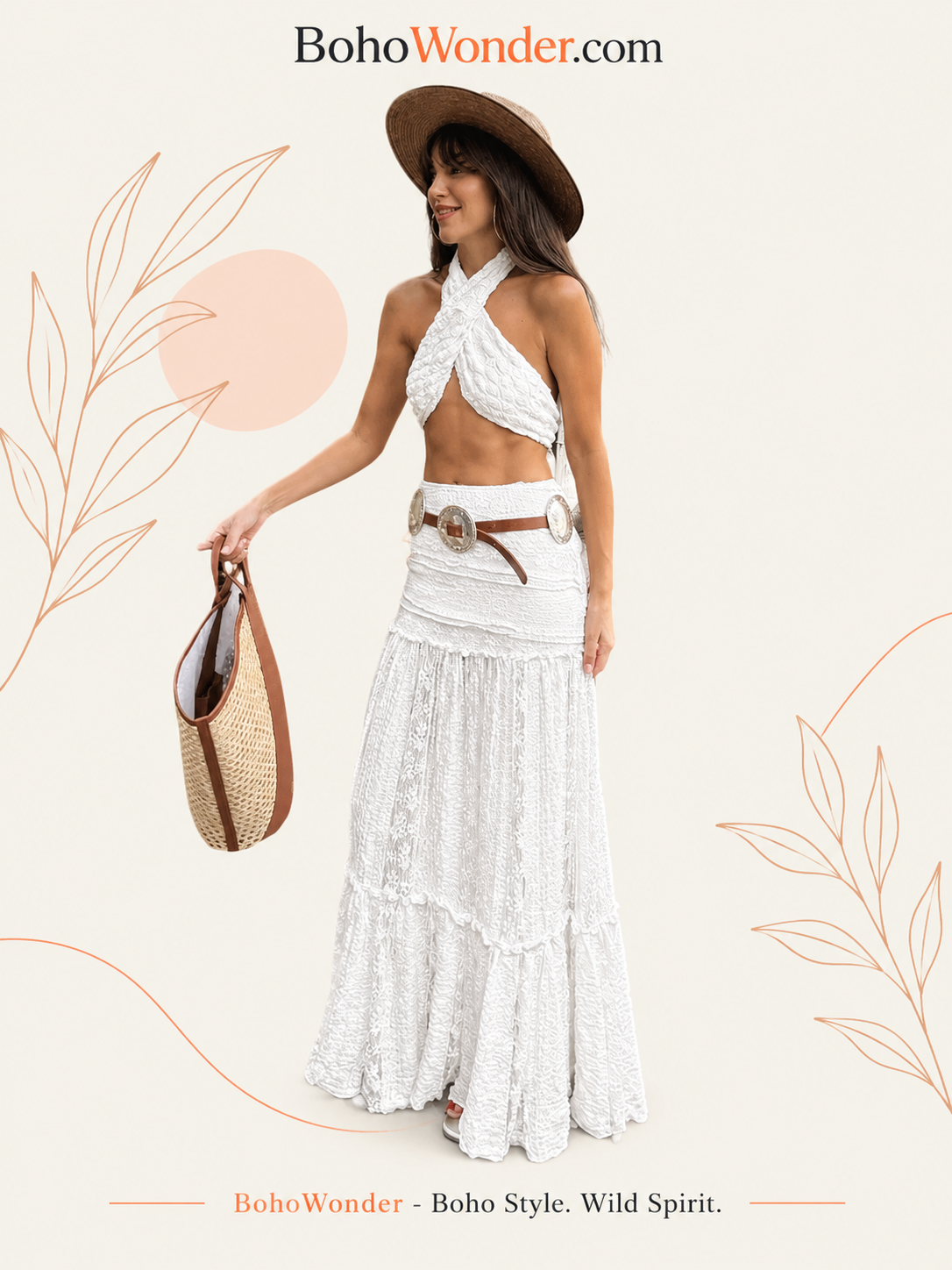
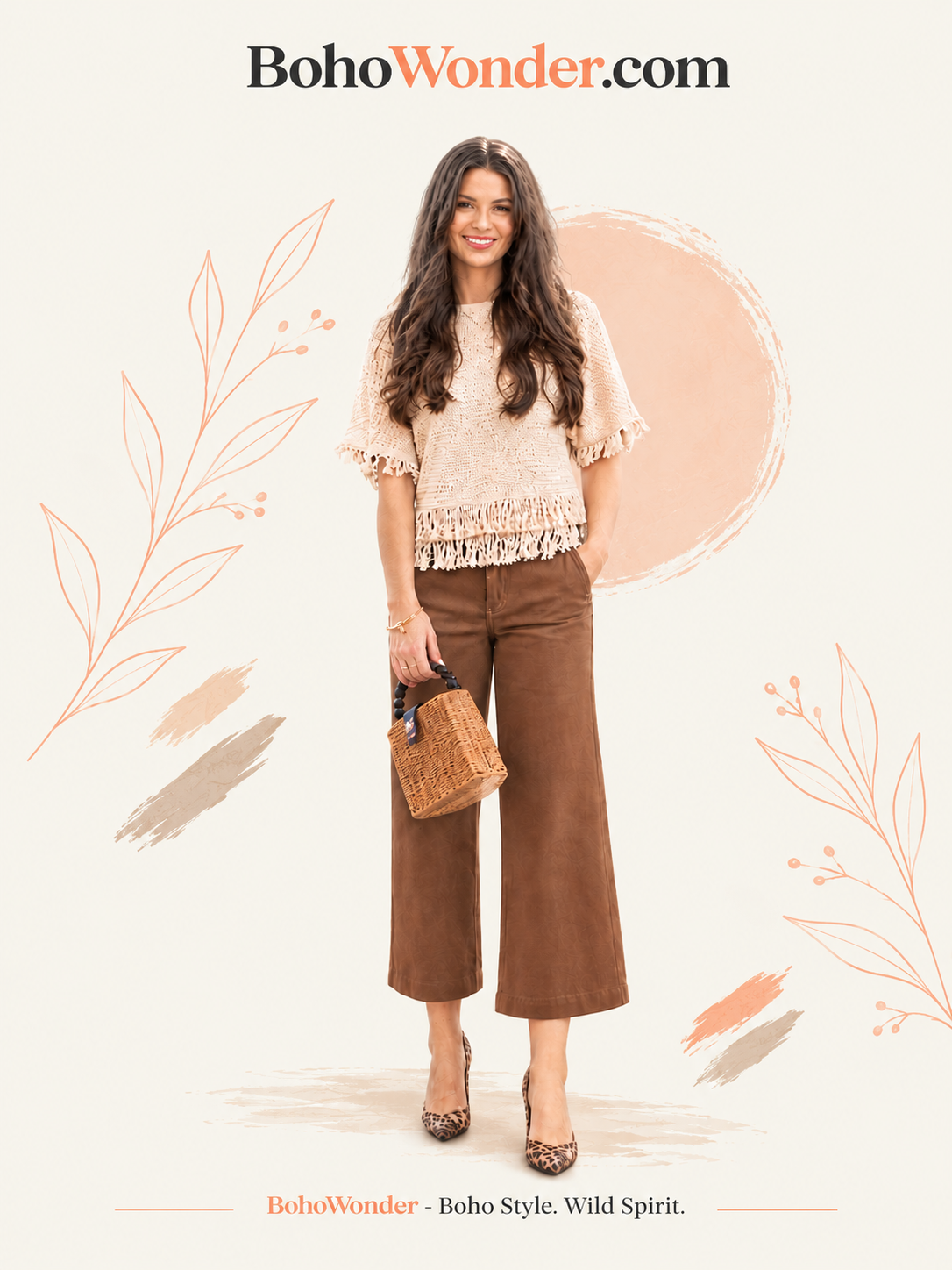
If you already feel comfortable in loose clothing, start there. A flowing dress can be paired with simple sandals and a small selection of jewellery for a relaxed outfit. A tiered skirt can be balanced with a more fitted top. Wide-leg trousers can work with a tucked-in blouse or a shorter knit top to create contrast.
The important point is proportion. When both the top and bottom are extremely oversized, the outfit can lose definition. Instead, consider combining volume with something more structured or closer to the body.
For example:
- Flowing maxi skirt + fitted tank
- Wide-leg trousers + tucked-in blouse
- Oversized swing top + slim trousers
- Loose maxi dress + structured bag
- Tiered skirt + simple cropped cardigan
The result can still feel relaxed while maintaining a clear silhouette.
If You Love Texture
Texture is another excellent starting point for a personal boho style. Cotton, linen, silk, chiffon and lightweight knits can create different visual and tactile effects. These fabrics can also be contrasted with richer surfaces such as velvet, suede or faux fur when appropriate for the season.
You do not necessarily need a bold print to make an outfit feel interesting. A simple cream blouse with textured details can feel distinctly bohemian when combined with a woven bag and layered jewellery. Likewise, a plain linen dress can gain character from leather sandals, a fringed bag or stacked bracelets.
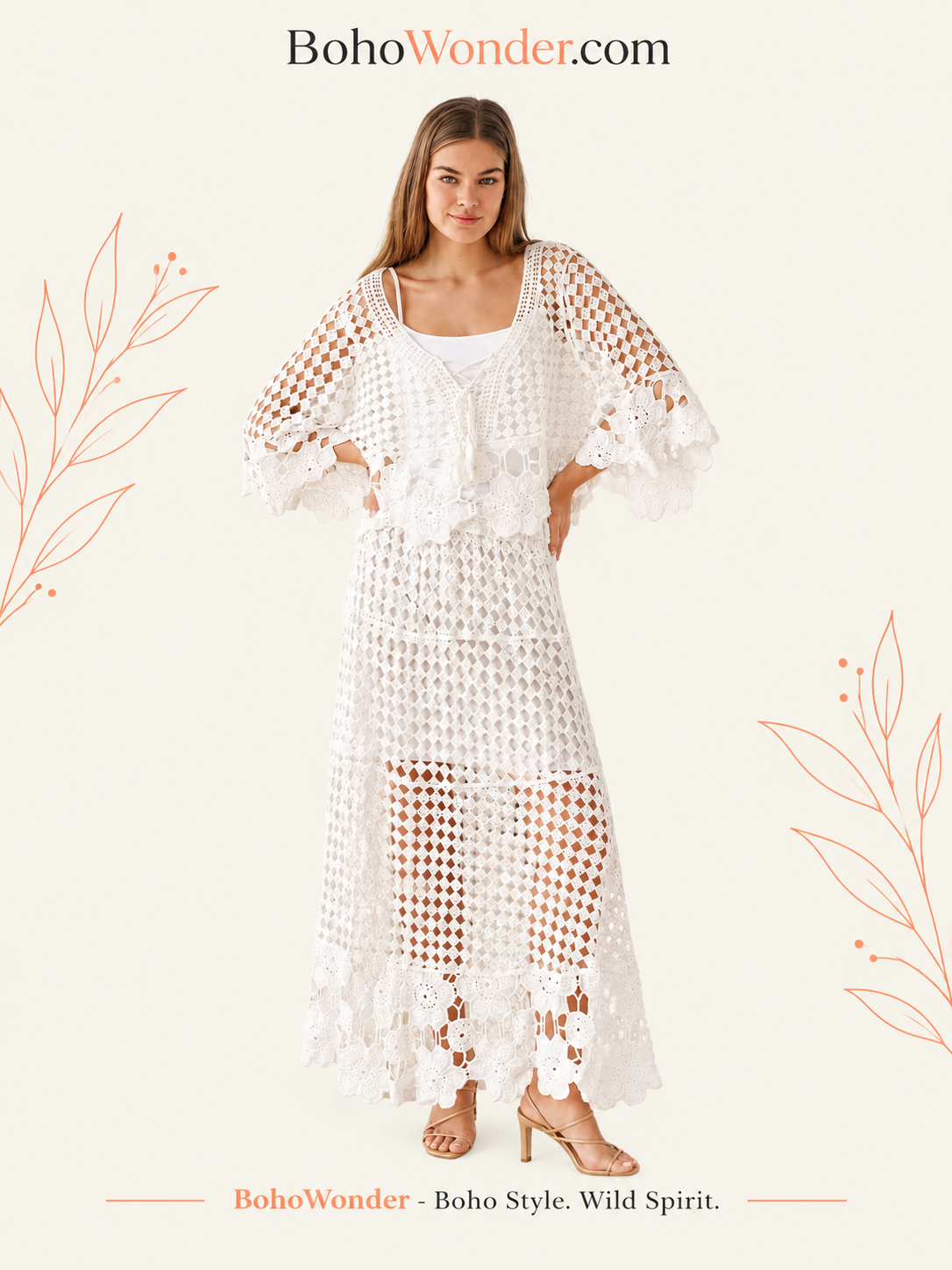
Texture works particularly well when the colour palette remains relatively simple. For example, combining cream, tan and warm brown allows differences in fabric and surface to become the main source of visual interest.
If You Love Prints
Prints can become a strong signature element when you prefer more expressive outfits. Florals, paisley, ikat-inspired patterns and other decorative motifs can introduce movement and personality. You do not need to wear multiple prints together to achieve a bohemian effect.
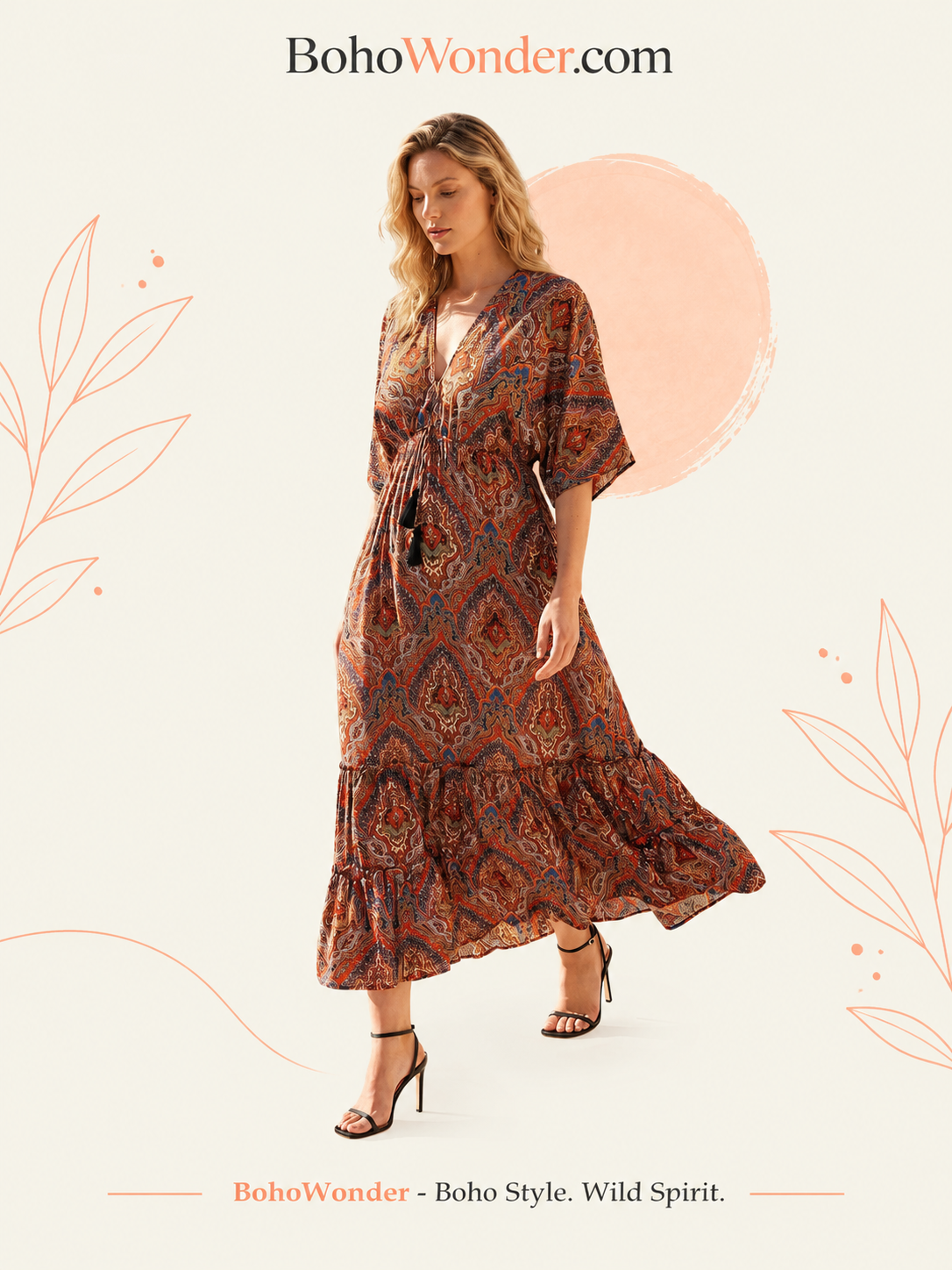
Start with one printed piece. A floral blouse can be paired with neutral trousers. A printed maxi skirt can work with a plain tank. A patterned dress can become the centre of the outfit while the accessories remain understated.
If you are unsure about wearing bold prints, accessories can provide a lower-commitment starting point. A patterned scarf, printed bag or statement jewellery can introduce visual interest without dominating the entire outfit. Understanding how colour, print, texture and movement interact can also help when developing your own combinations.
Build Around a Comfortable Silhouette
Comfort is one of the most important foundations of a personal boho style. Bohemian clothing often uses relaxed, unconstructed shapes, but relaxed does not have to mean shapeless. The most successful outfits usually have some sense of proportion, even when the overall look is loose and easy.
Your silhouette should support how you actually move through your day. If you spend most of your time walking, commuting or working casually, clothing that moves easily may be more useful than highly structured pieces. If you prefer a polished appearance, you might combine a relaxed bohemian item with a cleaner, more defined piece.
Balance Loose and Defined Shapes
Proportion creates balance. A loose maxi skirt can work beautifully with a closer-fitting top. An oversized blouse can be tucked partially into straight-leg trousers. A flowing dress can be styled with a defined belt when you want to create more shape.
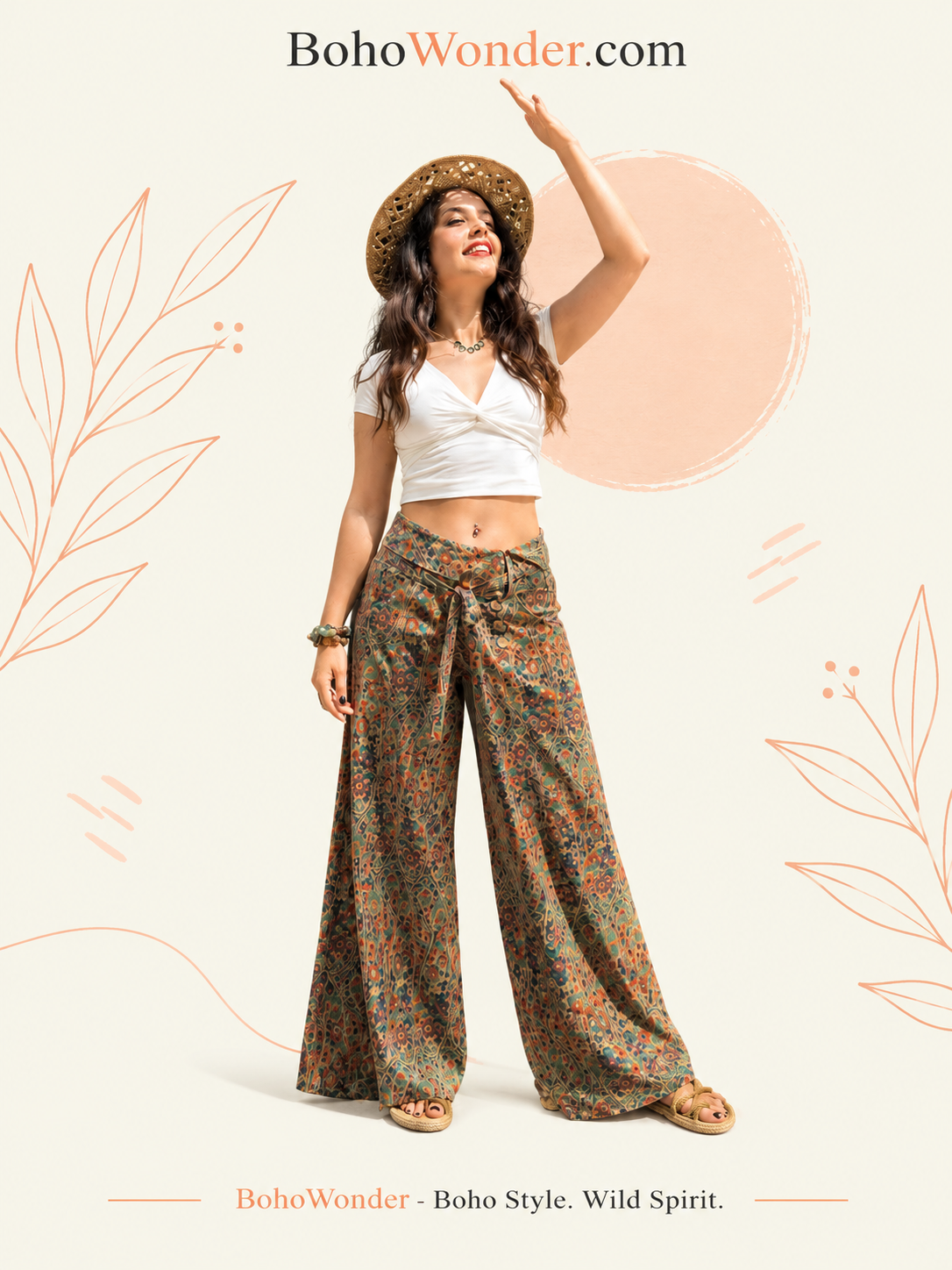
You do not have to follow strict fashion rules. The purpose of balancing proportions is simply to prevent every element from competing for volume.
Consider these combinations:
Loose + fitted
A flowing skirt with a fitted top creates an easy contrast.
Oversized + structured
An airy blouse with a structured bag or defined shoe creates visual balance.
Long + short
A long duster can be layered over a shorter top and trousers to create vertical movement.
Soft + defined
A delicate lace or chiffon piece can be grounded with denim, leather-inspired accessories or boots.
These contrasts make bohemian outfits easier to adapt to everyday dressing.
Let Movement Be Part of the Outfit
Movement is an important but sometimes overlooked part of bohemian dressing. A tiered skirt shifts as you walk. Wide-leg trousers create movement through the legs. A lightweight kimono or duster adds motion around the body. Ruffles and loose sleeves can create subtle movement even in a simple outfit.
When choosing a piece, consider how it behaves when you move rather than only how it looks while standing still. This is particularly useful when shopping online. Look for descriptions and images that help you understand whether the garment is structured, flowing, lightweight, fitted or relaxed.
Movement can make a simple outfit feel more expressive without requiring many accessories.
Choose a Colour Palette You Actually Wear
Colour is one of the easiest ways to make your boho wardrobe feel personal. Traditional bohemian-inspired palettes often include earthy neutrals such as tan, cream, olive and rust, but boho style does not have to be limited to muted colours.
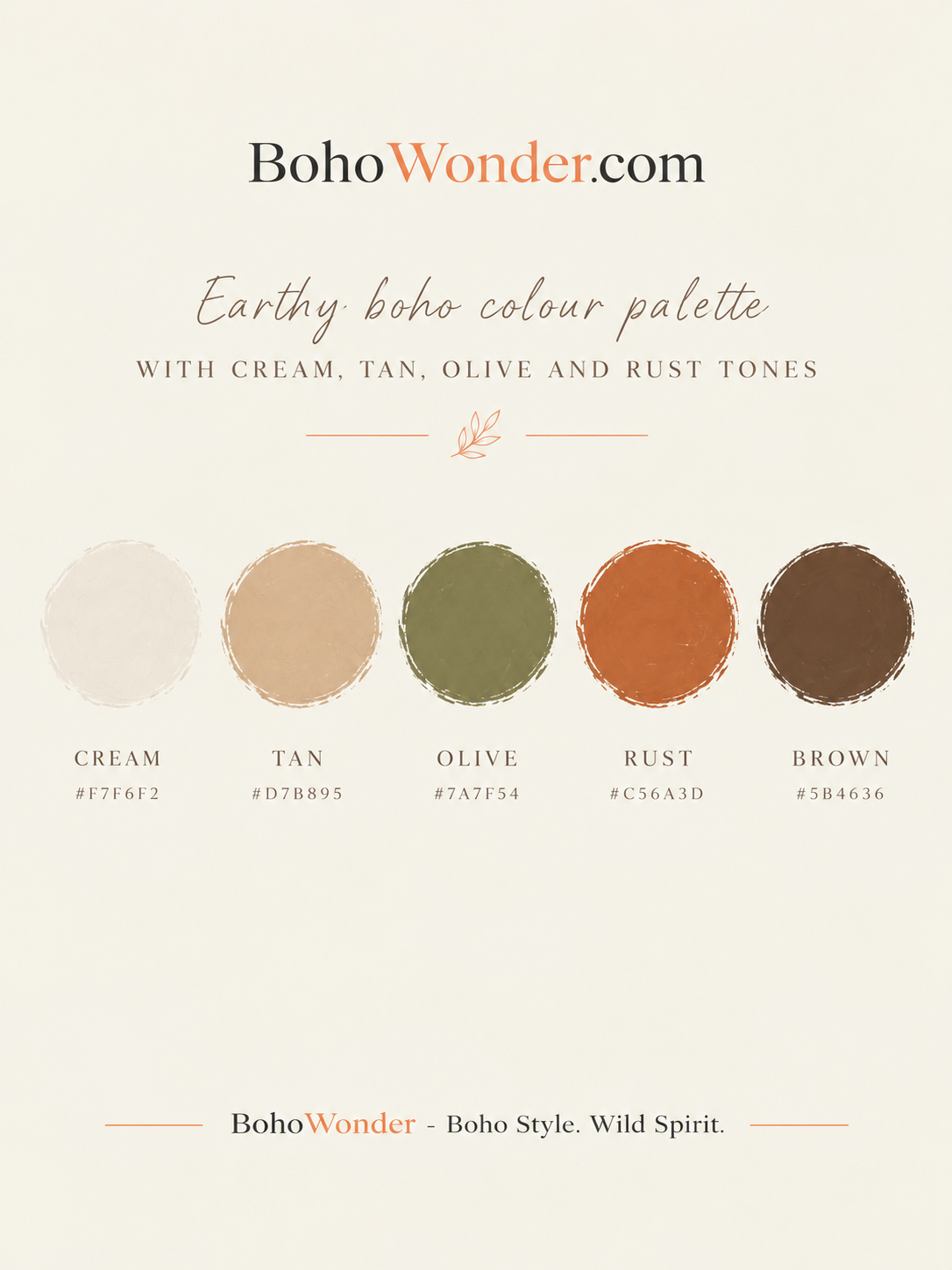
Rich jewel tones can also create depth and personality. The most important question is not which colours are supposedly “boho.” It is which colours you genuinely enjoy wearing.
Create a Base Palette
Start by identifying three to five colours that already appear frequently in your wardrobe.
You might choose:
- Cream
- Tan
- Olive
- Rust
- Chocolate brown
Or perhaps:
- Black
- Ivory
- Burgundy
- Deep green
- Warm beige
If your existing wardrobe is mostly neutral, you can introduce bohemian character through texture, print and accessories rather than dramatically changing your colour palette. A neutral base also makes statement pieces easier to wear repeatedly.
For example, a rust blouse can work with cream trousers, denim, brown skirts or black jeans. A patterned skirt can be paired with several simple tops. A colourful scarf can refresh a familiar outfit.
This approach makes personal boho style practical rather than dependent on constantly buying new clothes.
Add Colour Through Accessories
Accessories provide another way to experiment. If you are unsure about wearing a bold colour from head to toe, introduce it through a bag, scarf, jewellery or shoes.
A turquoise-inspired stone detail, warm rust bag or richly coloured scarf can add personality to a neutral outfit. This is particularly useful when your preferred clothing palette is understated but you still want a distinctive bohemian feeling.
The same principle applies to prints. A small printed accessory can introduce pattern without requiring you to commit to a full printed outfit.
Use Texture to Create Depth
Texture can make a personal boho style feel layered even when the outfit itself is simple.
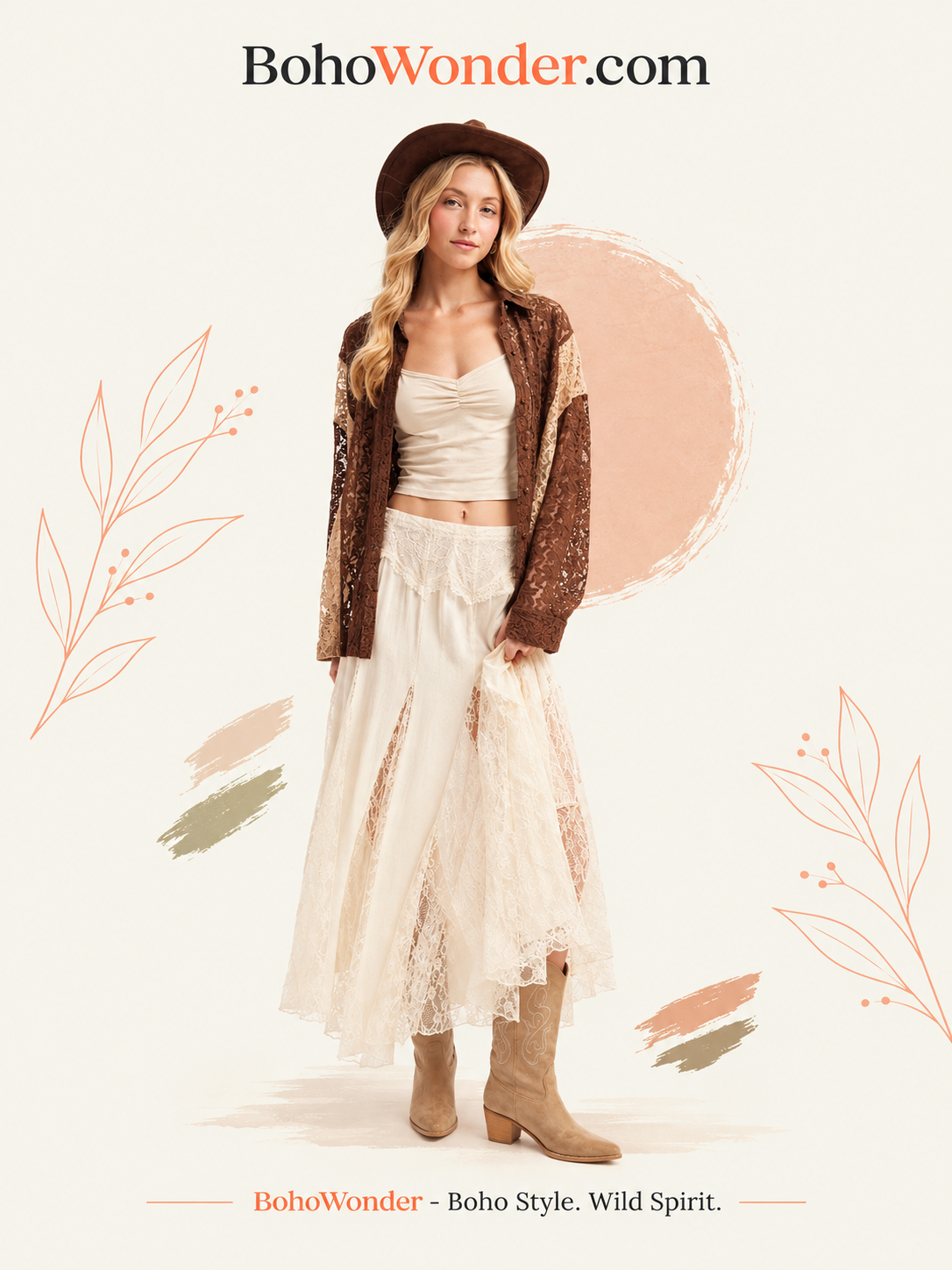
Consider the difference between a plain cotton top paired with smooth trousers and the same top styled with a woven bag, textured skirt and layered jewellery. The colour combination may remain almost identical, but the second outfit has greater visual depth.
Combine Textures With Restraint
The goal is not to use as many textures as possible. Instead, choose two or three that complement each other.
For example:
- Cotton + woven accessories
- Linen + leather-inspired details
- Lace + denim
- Chiffon + suede-inspired texture
- Lightweight knit + flowing skirt
- Velvet + simple neutral pieces
Texture becomes especially effective when the rest of the outfit remains relatively uncomplicated. If you are wearing a highly textured skirt, a simple top may be enough. If the clothing is plain, accessories can provide the additional detail.
This approach keeps bohemian dressing expressive without becoming visually overwhelming.
Build a Small Collection of Boho Wardrobe Essentials
You do not need an entirely separate wardrobe to create a personal boho style. Instead, identify a small group of versatile pieces that can work with clothing you already own.
Flowy or Maxi Pieces
Flowing dresses and longer skirts can provide an immediate bohemian foundation. A relaxed maxi dress can be styled simply with flat sandals and a few pieces of jewellery. In cooler weather, it can become the base for a layered outfit with a jacket, boots or lightweight outer layer.
A tiered skirt offers another flexible option because it can be styled differently depending on the top. For a more detailed look at how flowing pieces contribute to bohemian dressing, you can link to Boho Style Aesthetics: Romantic, Earthy, Resort, Western or Minimal Boho? here.
Expressive Tops
Peasant blouses, embroidered tunics, lace tops, crochet-inspired designs and relaxed blouses can introduce bohemian character without requiring a complete outfit. These tops can often work with familiar wardrobe staples such as jeans, straight-leg trousers or simple skirts.
This makes them particularly useful if you are transitioning gradually into a more personal boho style. Instead of buying a full head-to-toe outfit, add one expressive top and experiment with the pieces you already own.
Lightweight Layers
Kimonos, dusters, denim jackets and suede-inspired jackets can change the appearance of an outfit without requiring a complete wardrobe change.
A lightweight kimono over a simple tank and trousers can create a relaxed layered look. A denim jacket can make a flowing dress feel more casual. A textured jacket can give a simple outfit a stronger visual identity.
Layering is also useful because it allows one garment to work across different seasons and settings.
Footwear
Footwear can determine how formal, casual or grounded a bohemian outfit feels. Depending on your wardrobe, options can include:
- Gladiator-style sandals
- Flat sandals
- Ankle boots
- Flat boots
- Simple casual shoes
The right choice depends on your lifestyle. A flowing dress with sandals may feel relaxed and warm-weather appropriate, while the same dress with ankle boots and a jacket can create a different personality.
Rather than buying footwear specifically because it is labelled “boho,” consider which shoes already work with your clothing.
Accessories
Accessories are where personal style can become especially visible. Layered necklaces, stacked bracelets, stone-inspired rings, fringe bags and wide-brim or floppy hats can all introduce bohemian details.
However, accessories should reflect your comfort level.
If you prefer minimal styling, one distinctive necklace may be enough. If you enjoy expressive outfits, several layers of jewellery can become part of your signature. The same outfit can therefore feel completely different depending on how you accessorise it.
Learn How to Layer Without Overloading the Outfit
Layering is closely associated with bohemian dressing because it creates depth, movement and opportunities to combine different textures. But effective layering requires intention.
The easiest way to begin is to build from a simple base.
Start with:
- A basic top or dress
- One additional layer
- One or two accessories
- Appropriate footwear
Once the outfit feels balanced, you can decide whether it actually needs more.
Layer for Contrast
Layering works best when each piece contributes something different. A lightweight dress can be paired with a denim jacket. A simple top can sit underneath an embroidered outer layer. A flowing skirt can be combined with a defined belt or shorter jacket.
Think about contrast in:
- Length
- Texture
- Colour
- Volume
- Fabric weight
For example, a long flowing dress paired with a cropped denim jacket creates a clear contrast in length. A soft chiffon layer over a simple cotton base creates contrast in texture. You can also use accessories to create smaller layers.
Instead of adding another garment, layer two necklaces of different lengths or combine several bracelets. This can create the same sense of depth without adding visual bulk.
The best personal boho style often comes from knowing when to stop. If the outfit already contains a printed dress, textured bag and layered jewellery, adding several more statement pieces may not improve it.
Make Boho Style Work for Everyday Life
A personal boho style becomes much easier to maintain when it works with your actual routine. There is no need to reserve bohemian clothing for festivals, holidays or special occasions. The key is to translate the aesthetic into pieces that fit ordinary situations.
For a casual day, try a relaxed blouse with jeans, sandals and a woven or textured bag.
For work in a setting that allows casual dressing, a flowing midi or maxi silhouette can be balanced with simpler accessories and cleaner footwear.
For brunch, a floral or lace-trimmed dress can be styled with understated jewellery and flat sandals.
For a warm-weather day, lightweight fabrics and relaxed silhouettes can create an effortless outfit without extensive layering.
For an evening occasion, richer textures, darker colours or statement jewellery can give the same bohemian foundation a more polished appearance.
This adaptability is what makes a personal boho style different from simply wearing “boho clothes.” The aesthetic becomes part of your wardrobe rather than a costume reserved for specific occasions.
It can also evolve. You may begin with romantic floral dresses and later discover that you prefer earthy neutrals and structured accessories. You may initially love lots of jewellery but gradually move toward a cleaner modern bohemian look. Personal style does not need to stay fixed.
Common Mistakes to Avoid
Building a personal boho style can become difficult when the focus shifts from personal preference to trying to reproduce an image of what bohemian fashion is supposed to look like.
Trying to Wear Every Boho Element at Once
Flowing fabric, bold print, fringe, embroidery, crochet, layered jewellery, tassels and multiple accessories can all be beautiful individually. Wearing all of them together may make the outfit feel visually crowded. Instead, choose one or two dominant elements.
If the dress has a strong print, keep the accessories simpler.
If the accessories are dramatic, choose clothing with a quieter texture.
If the silhouette is very loose, consider a more defined element elsewhere.
Buying Clothes That Do Not Fit Your Existing Wardrobe
A beautiful bohemian piece is not necessarily a useful addition to your wardrobe. Before buying something new, think about at least three ways you could style it with clothes you already own.
Can the blouse work with jeans?
Can the skirt work with a simple knit?
Can the dress work with both sandals and boots?
Can the jacket work over more than one outfit?
This simple test helps you build a wardrobe rather than a collection of isolated pieces.
Treating Boho as a Costume
Bohemian style can become costume-like when every recognizable element is used at maximum intensity. You do not need to look as though you are dressed for a themed event.
A simple flowing dress with understated jewellery may communicate a bohemian influence more naturally than an outfit covered in fringe, tassels and accessories.
The goal is expression, not imitation.
Ignoring Proportion
Loose clothing is an important part of bohemian dressing, but wearing multiple oversized pieces together can sometimes obscure the silhouette.
If you choose a voluminous bottom, consider a more defined top.
If the top is oversized, a slimmer or straighter bottom can create balance.
If you are wearing a long outer layer, think about what is underneath it.
Small adjustments can make a significant difference.
Choosing Trends Over Personal Preference
A trend can inspire you, but it does not have to become part of your personal wardrobe.
If you love romantic details, explore lace, ruffles and floral prints.
If you prefer earthy dressing, focus on natural-looking colours and tactile fabrics.
If you like a cleaner aesthetic, reduce the number of accessories and let the silhouette or fabric create the bohemian character.
The strongest personal boho style usually comes from repeating choices that genuinely suit you.
Frequently Asked Questions
How do I start building a personal boho style?
Start with one element you already enjoy, such as a flowing silhouette, textured fabric, floral print, relaxed blouse or distinctive accessory. Then combine it with familiar wardrobe pieces.
You do not need to change your entire wardrobe at once. Building gradually makes it easier to understand which elements actually feel comfortable and authentic.
Do I need to wear flowing dresses to have a boho style?
No. Flowing dresses are strongly associated with bohemian dressing, but they are only one option.
You can create a bohemian-inspired wardrobe with wide-leg trousers, relaxed blouses, skirts, embroidered tops, layered jackets, textured accessories and distinctive jewellery.
Your silhouette should reflect what you enjoy wearing.
What colours work well for a personal boho wardrobe?
Earthy neutrals such as tan, olive, rust and cream are common starting points, but richer jewel tones can also work beautifully. The best palette is the one that works with the colours you already wear.
Choose a small base palette first, then add stronger colours through prints or accessories.
How many accessories should a boho outfit have?
There is no fixed number. Start with one or two accessories and add more only if the outfit needs additional texture or personality.
A simple dress might benefit from layered necklaces and bracelets. A highly patterned outfit may only need a bag or understated jewellery.
Your comfort level should guide the final result.
BohoWonder Edit
Building a personal boho style does not require a dramatic wardrobe transformation. Start by identifying the pieces and details that already make you feel comfortable and expressive, then build outward from there. A flowing silhouette such as a Boho Maxi Dress can become an easy foundation, while a textured or detailed piece such as a Boho Lace Dress can introduce a softer, more romantic element without changing the entire direction of your wardrobe.
Look for silhouettes that move naturally with you. Choose fabrics and textures that you enjoy wearing. Keep your colour palette connected to your existing wardrobe. Add prints when they feel exciting rather than obligatory. Use accessories to show personality instead of treating them as requirements.
Most importantly, allow your interpretation of boho style to change. You might prefer romantic details one season and more earthy or minimal combinations another. You may discover that you love layering but dislike oversized silhouettes, or that accessories matter more to you than prints.
That experimentation is part of developing personal style.
When shopping for new pieces, think beyond whether something looks “boho.” Ask whether it works with your wardrobe, whether you can style it in several ways and whether you would genuinely want to wear it again. The goal is a wardrobe that feels like an extension of you.
Conclusion
A personal boho style is created through choices rather than rules.
Start with the elements you genuinely enjoy, whether that means flowing silhouettes, expressive prints, tactile fabrics, relaxed layers or distinctive accessories. Build around comfortable proportions, choose colours that already feel natural in your wardrobe and introduce texture without overwhelming the outfit.
You can begin with a single bohemian-inspired piece and gradually develop your style from there. A flowing skirt, embroidered blouse, lightweight kimono, textured bag or layered necklace can be enough to start changing the character of an outfit.
Over time, these small choices become a recognizable personal language.
The most successful bohemian wardrobe is not necessarily the one with the most decorative details. It is the one where every piece feels wearable, expressive and connected to the person wearing it.